Why Regular Shower Screen Inspection Prevents Costly Breakdowns
Why Regular Shower Screen Inspection Prevents Costly Breakdowns
As a Caffepress distributor or OEM partner, you understand the importance of delivering reliable and high-performance espresso machines to your customers. One often-overlooked component critical to consistent extraction is the shower screen. While seemingly simple, its condition directly impacts water dispersion, extraction quality, and ultimately, customer satisfaction. Implementing a program of regular shower screen inspections, even if performed by the end-user with proper guidance, can drastically reduce costly breakdowns and maintain the longevity of your machines. This article details why regular inspection is crucial and offers practical advice for implementation.
The Critical Role of the Shower Screen
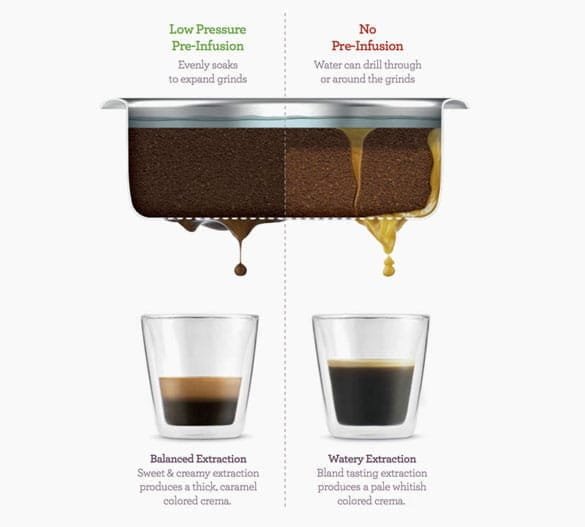
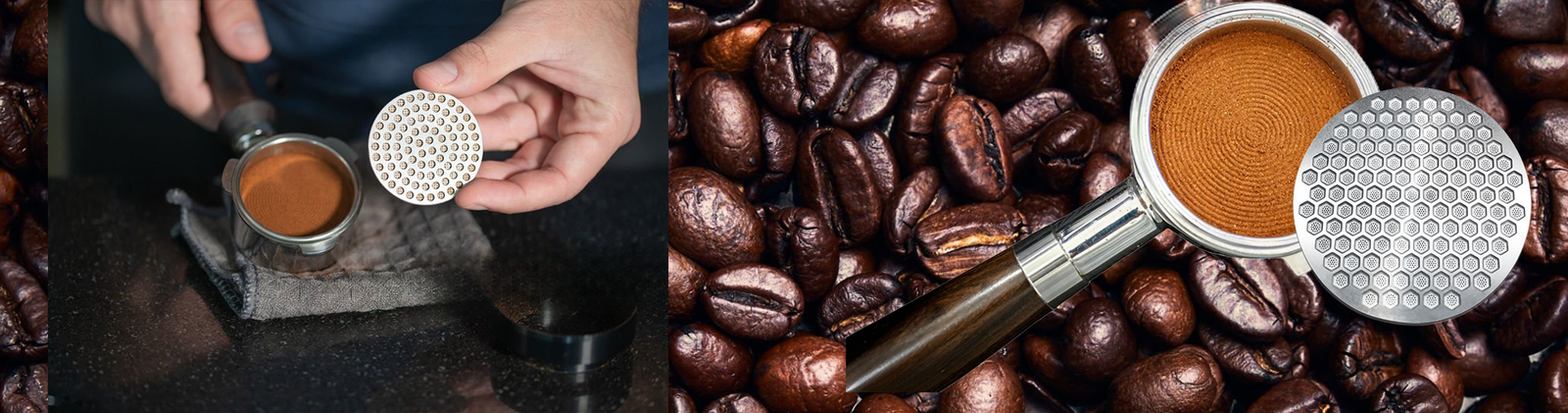
The shower screen, located just above the coffee puck in the group head, is responsible for evenly distributing hot water across the surface of the coffee grounds. This uniform saturation is essential for consistent and balanced extraction. Imagine trying to saturate a large sponge with a single stream of water – some areas would be drenched while others remain dry. The shower screen acts like a sophisticated sprinkler system, ensuring even saturation and allowing for optimal flavor extraction.
A compromised shower screen disrupts this carefully engineered process in several ways:
- Uneven Water Dispersion: Clogs, mineral buildup, or physical damage can create channels and blockages, leading to some areas of the coffee puck receiving significantly more water than others. This results in channeling, under-extraction, and bitter or sour shots.
- Inconsistent Extraction: Variations in water flow across the puck translate directly into inconsistent extraction times and flavor profiles from shot to shot. This undermines the ability to dial in the machine and consistently produce high-quality espresso.
- Increased Pressure on the Pump: Blockages in the shower screen force the pump to work harder to deliver the required water volume. This added strain can shorten the pump’s lifespan and lead to premature failure, a significant and costly repair.
- Compromised Hygiene: Shower screens are constantly exposed to coffee oils and water, creating a breeding ground for bacteria and mold if not properly maintained. This can affect the taste of the espresso and potentially pose health risks to consumers.
Identifying Common Shower Screen Issues Through Inspection
Regular inspection is the first line of defense against these problems. Here’s what to look for:
Visual Inspection
- Clogs and Blockages: Examine the shower screen closely for any signs of coffee grounds, mineral deposits (scale), or other debris obstructing the holes. Use a bright light and a magnifying glass for a thorough assessment. Different types of screens will require different levels of attention. For example, a multi-layered screen will have more surfaces and small nooks to examine.
- Damage: Look for cracks, dents, warping, or any other physical damage to the screen. Even a small deformation can disrupt water flow and negatively impact extraction. Inspect the retaining screws or clips for corrosion or damage as well. These can also impact proper sealing and water flow.
- Corrosion and Rust: Check for signs of corrosion, especially if the machine is used in areas with hard water or high humidity. Corrosion can weaken the screen and eventually lead to failure.
- Discoloration: Excessive discoloration, even after cleaning, can indicate a buildup of stubborn coffee oils and minerals that are affecting water flow.
Performance-Based Inspection
- Spray Pattern Observation: Remove the portafilter and activate the brew cycle. Observe the spray pattern of the water exiting the shower screen. It should be a uniform, even spray. Streaks, drips, or areas with no water flow indicate blockages or damage. Use a clear cup or mirror placed below the group head to aid in observing the spray pattern.
- Extraction Time Monitoring: Monitor extraction times. A sudden and unexplained change in extraction time, even with consistent grind settings, can indicate a problem with the shower screen affecting water flow.
- Taste Evaluation: Ultimately, the taste of the espresso is the most important indicator. If the espresso consistently tastes bitter, sour, or otherwise off, even after dialing in the grind, the shower screen could be contributing to the problem.
Implementing a Regular Inspection and Maintenance Program
To minimize costly breakdowns and ensure consistent espresso quality, we recommend implementing a structured inspection and maintenance program:
- Define Inspection Frequency: The frequency of inspections will depend on usage volume and water quality. High-volume cafes should inspect shower screens daily or weekly, while lower-volume users can inspect them bi-weekly or monthly. Provide clear guidelines to your end-users based on these factors.
- Develop a Checklist: Create a simple checklist outlining the inspection steps described above. This will help ensure consistency and thoroughness. Include specific areas of concern based on the machine model.
- Establish Cleaning Procedures: Implement a regular cleaning schedule using appropriate cleaning solutions designed for espresso machines. Backflushing with detergent is crucial for removing coffee oils and preventing clogs. Consider recommending ultrasonic cleaning for removing stubborn buildup.
- Provide Training and Resources: Offer training and resources to your end-users on how to properly inspect and maintain the shower screens. This could include instructional videos, written guides, and FAQs. Include details on how to disassemble, clean, and reassemble the shower screen properly, if applicable.
- Replacement Schedule: Establish a recommended replacement schedule for shower screens, even if they appear to be in good condition. Over time, the screen material can degrade, affecting water flow even without visible damage. The lifespan will vary based on usage and water quality, but a general guideline of 6-12 months is a good starting point for high-volume environments.
- Document Inspection Results: Keep a log of inspection results, including dates, findings, and any maintenance performed. This will help track the condition of the shower screen over time and identify potential issues before they escalate.
The Long-Term Benefits of Proactive Maintenance
Investing in regular shower screen inspection and maintenance offers significant long-term benefits:
- Reduced Downtime: By identifying and addressing issues early, you can prevent costly breakdowns and minimize downtime for your customers.
- Improved Espresso Quality: Consistent maintenance ensures optimal water dispersion, resulting in higher-quality espresso and increased customer satisfaction.
- Extended Equipment Lifespan: Preventing strain on the pump and other components extends the overall lifespan of the espresso machine.
- Enhanced Brand Reputation: By providing reliable and high-performing machines, you enhance your brand reputation and build stronger customer relationships.
- Reduced Warranty Claims: Proactive maintenance reduces the likelihood of warranty claims related to shower screen failure or pump damage.
Summary
The shower screen is a vital component in ensuring consistent and high-quality espresso extraction. Regular inspection and maintenance are crucial for preventing costly breakdowns, extending equipment lifespan, and enhancing customer satisfaction. By implementing a structured inspection program and providing adequate training and resources to your end-users, you can significantly reduce warranty claims, improve your brand reputation, and build long-lasting relationships with your valued customers. This proactive approach ultimately contributes to the success of your distribution and OEM partnerships with Caffepress.