Sterilization Methods for Stainless Steel Shower Screens and Food Safety
Sterilization Methods for Stainless Steel Shower Screens and Food Safety
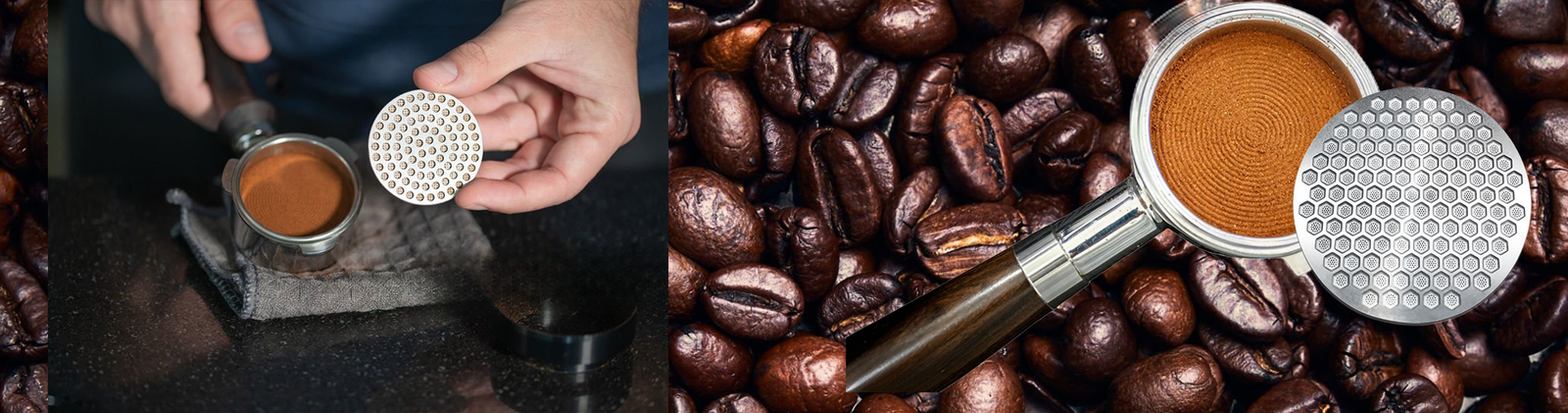
As a leading manufacturer of stainless steel shower screens for the beverage and food processing industries, Caffepress understands the critical importance of hygiene and sterilization. This article provides our overseas distributors and OEM partners with a detailed overview of sterilization methods suitable for our stainless steel shower screens, emphasizing food safety and compliance with international standards.
Why Sterilization Matters for Stainless Steel Shower Screens
Stainless steel, while inherently corrosion-resistant and durable, can still harbor microorganisms if not properly cleaned and sterilized. In applications involving food and beverage production, contaminated shower screens can lead to significant product spoilage, health risks, and damage to brand reputation. Therefore, effective sterilization protocols are essential to:
- Prevent Microbial Growth: Eliminate bacteria, yeasts, molds, and viruses that can contaminate food and beverage products.
- Ensure Food Safety: Guarantee that the final product meets stringent food safety regulations and is safe for consumption.
- Maintain Product Quality: Prevent spoilage and alteration of taste, aroma, and appearance caused by microbial activity.
- Prolong Equipment Lifespan: Regular cleaning and sterilization prevent the buildup of biofilms and deposits that can damage stainless steel over time.
- Meet Regulatory Requirements: Adhere to international food safety standards such as HACCP, ISO 22000, and regional regulations.
Common Sterilization Methods for Stainless Steel Shower Screens
Several methods can effectively sterilize stainless steel shower screens. The selection of the most appropriate method depends on factors such as the type of contamination, the frequency of sterilization, the budget, and the desired level of sterility. Here, we outline the most common and effective methods:
1. Autoclaving (Steam Sterilization)
Autoclaving is a widely used and highly effective sterilization method. It uses high-pressure saturated steam to kill microorganisms, including bacteria, viruses, and spores. This method is particularly well-suited for stainless steel due to its excellent heat resistance.
- Mechanism: High-pressure steam denatures proteins and disrupts cellular structures, leading to microbial inactivation.
- Procedure: Shower screens are placed in an autoclave chamber and exposed to steam at a specific temperature (typically 121°C or 134°C) for a defined period (usually 15-30 minutes).
- Advantages: Highly effective, non-toxic, and relatively inexpensive.
- Disadvantages: Requires specialized equipment (autoclave); can be time-consuming. Ensure proper loading of the autoclave to allow for even steam penetration.
- Suitability: Ideal for shower screens that require a high level of sterility, especially in critical food processing applications.
2. Chemical Sterilization
Chemical sterilization involves using liquid chemical agents to kill microorganisms. This method is suitable for shower screens that cannot withstand the high temperatures of autoclaving or other heat-based methods. However, it’s critical to select a chemical agent compatible with stainless steel to prevent corrosion.
- Common Chemical Agents:
- Peracetic Acid: A strong oxidizing agent effective against a broad spectrum of microorganisms. Requires careful monitoring of concentration and contact time.
- Hydrogen Peroxide: Another effective oxidizing agent. Can be used in vaporized form (VHP) for enhanced penetration.
- Sodium Hypochlorite (Bleach): A common disinfectant, but can be corrosive to stainless steel at high concentrations or prolonged exposure. Use with caution and rinse thoroughly.
- Quaternary Ammonium Compounds (QUATs): Effective against vegetative bacteria and some viruses, but less effective against spores. Often used as sanitizers rather than sterilants.
- Procedure: Shower screens are immersed in the chemical solution for a specified contact time, followed by thorough rinsing with sterile water to remove any chemical residue.
- Advantages: Can be used at lower temperatures; suitable for heat-sensitive materials.
- Disadvantages: Requires careful selection of chemical agents to ensure compatibility with stainless steel and avoid corrosion; potential for chemical residue; requires proper ventilation and handling precautions.
- Suitability: Suitable for shower screens that cannot be autoclaved, but requires careful chemical selection and thorough rinsing.
3. Dry Heat Sterilization
Dry heat sterilization uses hot air to kill microorganisms. This method is suitable for materials that can withstand high temperatures but are damaged by moisture.
- Mechanism: Dry heat oxidizes cellular components and denatures proteins, leading to microbial inactivation.
- Procedure: Shower screens are placed in a dry heat oven and exposed to high temperatures (typically 160-180°C) for a longer period (usually 1-3 hours) compared to autoclaving.
- Advantages: Suitable for materials that are sensitive to moisture; non-corrosive.
- Disadvantages: Requires higher temperatures and longer exposure times compared to autoclaving; less effective than autoclaving for some microorganisms.
- Suitability: Less common for shower screens than autoclaving, but can be considered if steam sterilization is not feasible.
4. UV Sterilization
Ultraviolet (UV) sterilization uses UV-C light to kill microorganisms. This method is primarily used for surface disinfection rather than complete sterilization due to limited penetration.
- Mechanism: UV-C light damages the DNA of microorganisms, preventing them from replicating.
- Procedure: Shower screens are exposed to UV-C light for a specific duration.
- Advantages: Rapid, non-chemical, and can be used for continuous disinfection.
- Disadvantages: Limited penetration; only effective for surface disinfection; requires direct exposure of the shower screen surface to the UV light. Shadowing can reduce effectiveness.
- Suitability: Suitable as a supplementary disinfection method after cleaning, but not as a primary sterilization method for food contact surfaces.
Best Practices for Sterilizing Stainless Steel Shower Screens
To ensure effective sterilization and maintain the integrity of your stainless steel shower screens, follow these best practices:
- Pre-Cleaning: Thoroughly clean the shower screens to remove any visible dirt, debris, or residue before sterilization. Use appropriate cleaning agents compatible with stainless steel.
- Rinsing: Rinse the shower screens thoroughly after cleaning to remove any traces of cleaning agents.
- Selection of Method: Choose the appropriate sterilization method based on the application, the type of contamination, and the compatibility of the method with stainless steel.
- Validation: Regularly validate the sterilization process to ensure it is consistently effective. Use biological indicators (e.g., spore strips) to verify that the sterilization cycle achieves the desired level of microbial inactivation.
- Maintenance: Maintain sterilization equipment (e.g., autoclaves, ovens, UV lamps) according to the manufacturer’s instructions.
- Storage: Store sterilized shower screens in a clean, dry, and protected environment to prevent recontamination.
- Training: Ensure that personnel responsible for cleaning and sterilization are properly trained in the correct procedures and safety protocols.
- Material Compatibility: Always verify that the sterilization method and any cleaning or sterilizing agents are compatible with the specific grade of stainless steel used in your shower screens. Contact Caffepress for specific recommendations if needed.
Summary
Sterilization is a crucial step in maintaining the hygiene and safety of stainless steel shower screens, particularly in food and beverage processing. Autoclaving, chemical sterilization, dry heat sterilization, and UV sterilization are common methods, each with its own advantages and disadvantages. By following best practices and choosing the appropriate sterilization method, you can ensure that your stainless steel shower screens are free from harmful microorganisms, contributing to food safety and product quality. Caffepress is committed to providing high-quality stainless steel shower screens and supporting our partners with the information and resources needed to maintain the highest standards of hygiene and safety.