Proper shower screen maintenance is fundamental to espresso machine performance, yet many commercial operations lack systematic approaches to this critical task. For B2B equipment distributors, cafe operators, and machine manufacturers, understanding the right tools and techniques for shower screen care directly impacts equipment reliability, extraction consistency, and customer satisfaction. This guide provides practical maintenance strategies tailored for professional environments where espresso machines operate at high volumes daily.
Essential Tools for Effective Shower Screen Maintenance
Professional shower screen maintenance requires specific tools designed for food-service equipment. A group head brush with stiff nylon bristles removes surface deposits without scratching stainless steel screens. Caffepress recommends brushes with heat-resistant handles rated for contact with hot surfaces, as screens are typically cleaned while still warm. Avoid wire brushes or abrasive pads that can damage precision-etched screens and compromise their filtration function.
For deep cleaning, specialized espresso machine cleaning solutions formulated to dissolve coffee oils and mineral deposits are essential. These alkaline detergents work more effectively than general degreasers because they target the specific compounds found in coffee residue. Look for products that rinse completely and leave no chemical taste—critical for maintaining coffee flavor integrity. For Caffepress’s food-grade stainless steel screens, pH-balanced cleaners prevent corrosion while providing thorough cleaning.
A dedicated screen removal tool simplifies maintenance by allowing safe removal without damaging the group head gasket. Some screens use screw-type retention while others rely on spring clips; having the appropriate tool for your machine model prevents frustration and reduces the risk of component damage during routine maintenance.
Daily Maintenance Protocol for Commercial Operations
High-volume commercial espresso machines require daily shower screen attention
to prevent buildup that affects extraction and taste. At closing time, backflush each group head with cleaning solution to remove internal deposits, then brush the shower screen’s exposed surface to eliminate accumulated coffee oils and particles. This two-step process takes only minutes per group but dramatically extends screen life and maintains consistent water distribution.
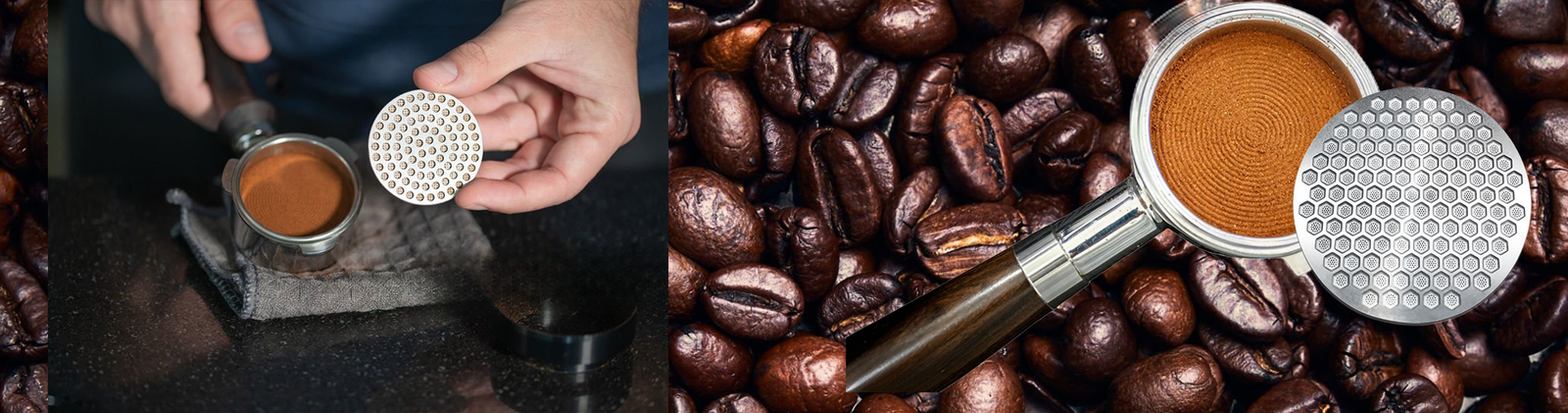
Visual inspection should accompany daily cleaning. Look for uneven discoloration patterns that indicate clogged holes or buildup in specific areas. These patterns often correspond to channeling during extraction—a sign that immediate attention is needed. Caffepress screens, with their uniform micro-perforations, show buildup more clearly than stamped screens, making problem detection easier and more reliable.
Weekly Deep Cleaning and Inspection
Weekly maintenance involves complete shower screen removal for thorough cleaning and inspection. Soak screens in espresso machine cleaning solution for 15-30 minutes to dissolve stubborn deposits that daily brushing cannot reach. Use a dedicated container to prevent cross-contamination with other cleaning tasks and ensure proper solution strength throughout the soaking period.
After soaking, inspect screens for wear, damage, or persistent clogging. Hold screens up to light to check for uniformity in hole openness—blocked holes appear as dark spots and indicate areas where extraction will be compromised. Caffepress’s burr-free etched screens maintain hole integrity longer than stamped alternatives, but all screens eventually require replacement as part of normal wear.
While screens are removed, clean the group head’s dispersion chamber using a group head brush and cleaning solution. This area accumulates coffee oils and residue that eventually migrate to newly installed screens if not addressed. Thorough chamber cleaning extends the effectiveness of screen maintenance and improves overall machine hygiene.
B2B Considerations: Maintenance Programs and Replacement Cycles
For equipment distributors and service providers, establishing systematic
shower screen maintenance programs creates value-added service offerings that strengthen customer relationships and generate recurring revenue. Documentation of maintenance performed, including screen condition assessments and replacement recommendations, demonstrates professionalism and builds trust with commercial clients.
Replacement cycle planning depends on usage intensity and water quality. High-volume operations in areas with hard water may require screen replacement every 6-12 months, while lower-volume locations with treated water can extend this to 18-24 months. However, these are general guidelines—actual replacement needs should be determined by inspection and performance evaluation rather than arbitrary time intervals.
Caffepress’s precision-etched screens typically outlast stamped alternatives by significant margins due to their burr-free construction and superior corrosion resistance. For B2B buyers managing inventory and service schedules, this extended lifespan reduces logistics complexity and improves customer satisfaction by minimizing unexpected failures and emergency replacements.
Common Maintenance Mistakes to Avoid
Several common maintenance errors undermine shower screen performance and longevity. Using abrasive cleaning tools or harsh chemicals damages screen surfaces and accelerates wear. Similarly, inadequate rinsing after chemical cleaning leaves residues that affect coffee flavor and can corrode stainless steel over time. Always follow manufacturer recommendations for both cleaning products and procedures.
Neglecting group head chamber cleaning while maintaining screens represents false economy—the chamber’s residue quickly recontaminates new or freshly cleaned screens, negating maintenance efforts. Comprehensive cleaning protocols that address both screens and chambers deliver better results and longer intervals between intensive maintenance procedures.
Conclusion
Systematic shower screen maintenance using appropriate tools and techniques is essential for professional espresso operations. For B2B stakeholders—from equipment manufacturers to service providers and cafe operators—investing in proper maintenance programs protects equipment performance, ensures extraction consistency, and extends component lifespan. When combined with precision-manufactured screens from suppliers like Caffepress, proper maintenance practices maximize the return on equipment investment while delivering superior coffee quality that keeps customers returning.