Shower Screen Cleaning Frequency: Adjusting Based on Usage Intensity
Shower Screen Cleaning Frequency: Adjusting Based on Usage Intensity
As a Caffepress distributor or OEM partner, understanding the nuances of espresso machine maintenance is crucial for delivering exceptional customer experiences and ensuring the longevity of the equipment you provide. One often overlooked aspect is the proper cleaning frequency of shower screens. While a universal cleaning schedule might seem convenient, the reality is that usage intensity dramatically impacts how often these critical components require attention. This article provides a detailed technical overview of shower screen cleaning frequency, tailored to different usage scenarios and the specific needs of your customer base.
Understanding the Impact of Usage on Shower Screen Cleanliness
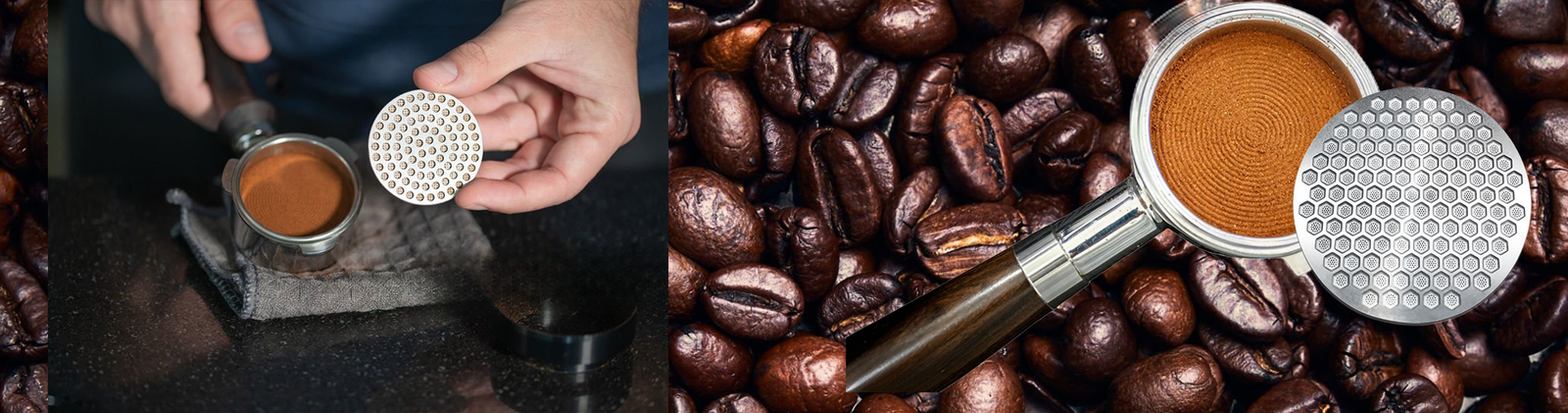
The shower screen, responsible for evenly distributing water over the coffee grounds during extraction, is directly exposed to coffee oils, fine particles, and mineral deposits from the water supply. The rate at which these contaminants accumulate is directly proportional to the espresso machine’s usage. High-volume environments, such as busy cafes, will naturally experience faster build-up than low-volume settings like home use. Failing to address this build-up leads to several performance issues:
- Uneven Extraction: Clogged holes create channeling, resulting in inconsistent flavor profiles and potentially sour or bitter shots.
- Reduced Flow Rate: Accumulation of debris restricts water flow, impacting extraction time and potentially damaging the pump.
- Compromised Taste: Rancid coffee oils contribute off-flavors, negatively impacting the overall quality of the espresso.
- Increased Machine Wear: The pump has to work harder to push water through a clogged screen, shortening its lifespan.
Determining Optimal Cleaning Frequency: A Tiered Approach
Instead of adhering to a rigid, one-size-fits-all schedule, we recommend a tiered approach to shower screen cleaning frequency, based on estimated daily espresso shot volume. This allows for more precise maintenance protocols, reducing downtime and optimizing espresso quality. We’ll explore three primary tiers:
Tier 1: Low-Volume (Residential & Light Commercial Use – Up to 20 Shots/Day)
For machines primarily used in residential settings or light commercial environments with low espresso demand, a less frequent cleaning schedule is typically sufficient. This tier requires a focus on preventative measures and diligent backflushing practices.
- Daily Backflushing: Backflush with water after each use to remove loose coffee grounds.
- Weekly Backflushing with Detergent: Use a designated espresso machine cleaning detergent (following manufacturer’s instructions) once a week to dissolve coffee oils.
- Monthly Shower Screen Removal and Cleaning: Remove the shower screen and clean it thoroughly with a soft brush and espresso machine cleaner. Inspect for any signs of damage or wear. Consider ultrasonic cleaning for more stubborn residue.
Tier 2: Medium-Volume (Commercial Use – 20-80 Shots/Day)
Machines in this category experience moderate espresso demand, requiring a more proactive cleaning schedule to maintain optimal performance. This includes cafes with moderate foot traffic and small office environments.
- Daily Backflushing with Water (Multiple Times): Backflush with water several times throughout the day, especially after busy periods.
- Daily Backflushing with Detergent: Backflush with detergent at the end of each day.
- Weekly Shower Screen Removal and Cleaning: Remove and thoroughly clean the shower screen with a soft brush and espresso machine cleaner weekly. Pay close attention to the holes and edges. Soaking the screen in hot water with detergent can help loosen stubborn deposits.
- Bi-Weekly Group Head Inspection and Cleaning: Inspect the group head for any debris build-up and clean as needed.
Tier 3: High-Volume (Commercial Use – 80+ Shots/Day)
Espresso machines operating in high-volume environments, such as bustling cafes and restaurants, require the most frequent and rigorous cleaning schedule to combat the rapid accumulation of coffee oils and mineral deposits.
- Backflushing with Water (Frequently): Backflush with water after every few shots, or at least every hour during peak periods.
- Daily Backflushing with Detergent (Multiple Times): Backflush with detergent at least twice a day – once during a mid-day lull and again at the end of the day.
- Daily Shower Screen Removal and Cleaning: Remove and thoroughly clean the shower screen at the end of each day. Use a dedicated cleaning brush and espresso machine cleaner. Consider rotating multiple shower screens to allow for thorough cleaning and drying.
- Weekly Group Head Disassembly and Cleaning: Disassemble and thoroughly clean the group head components weekly, including the shower screen holder and diffusion block.
Water Quality Considerations
The mineral content of the water supply significantly impacts shower screen cleaning frequency. Hard water, rich in calcium and magnesium, accelerates the build-up of scale and requires more frequent cleaning. We strongly recommend that all Caffepress machines are used with properly filtered water. Water filters should be regularly inspected and replaced according to the manufacturer’s recommendations. Furthermore, consider the following:
- Water Hardness Testing: Regularly test the water hardness to determine the appropriate filtration needs.
- Descaling Program: Implement a regular descaling program (following the machine manufacturer’s instructions) to remove mineral build-up within the machine.
- Educate Users: Provide clear instructions on the importance of using filtered water and the proper maintenance of the water filtration system.
Summary
Optimizing shower screen cleaning frequency is crucial for maintaining espresso quality, extending machine lifespan, and ensuring customer satisfaction. By implementing a tiered approach based on usage intensity, incorporating diligent backflushing practices, and addressing water quality concerns, you can provide your customers with the knowledge and resources they need to keep their Caffepress machines operating at peak performance. Remember to always consult the specific user manual for detailed cleaning instructions and recommended cleaning agents for the particular Caffepress model.