OEM Sourcing Standards: Why Leading Espresso Machine Manufacturers Choose Etched Components
OEM Sourcing Standards: Why Leading Espresso Machine Manufacturers Choose Etched Components
In the competitive world of espresso machine manufacturing, achieving a balance between performance, aesthetics, and cost-effectiveness is paramount. Original Equipment Manufacturers (OEMs) face constant pressure to innovate while maintaining high standards of quality and reliability. One increasingly critical aspect of OEM sourcing is the selection of precision components, and among these, chemically etched parts are gaining significant traction. This article explores the reasons why leading espresso machine manufacturers are increasingly turning to etched components, highlighting the advantages they offer in terms of precision, cost, and design flexibility.
The Precision Imperative in Espresso Machine Design
Espresso machines are complex devices requiring tight tolerances and precise functionality to deliver a consistent and high-quality brew. From intricate flow restrictors that regulate water pressure to finely patterned screens for optimal extraction, the performance of each component directly impacts the final cup of espresso. Traditional manufacturing methods, such as stamping or machining, can struggle to meet the stringent demands of these applications, particularly when dealing with complex geometries and delicate materials.
Chemical etching, also known as photochemical machining, offers a superior alternative. This subtractive manufacturing process uses photoresist and chemical etchants to create intricate designs on metal sheets with exceptional accuracy. Key benefits include:
- Tight Tolerances: Etching can achieve tolerances of +/- 0.0005 inches (0.013 mm), ensuring precise dimensions and consistent performance.
- Burr-Free Edges: Unlike stamping, etching produces smooth, burr-free edges, eliminating the need for secondary finishing operations and preventing potential blockages in fluid pathways.
- Intricate Geometries: Etching enables the creation of complex shapes, fine details, and microfeatures that are difficult or impossible to achieve with other methods. Think complex flow patterns for optimal water dispersion.
- Material Versatility: A wide range of metals, including stainless steel, brass, and aluminum, can be etched, providing flexibility in material selection based on performance requirements.
Cost-Effectiveness and Scalability
While precision is crucial, cost-effectiveness is equally important for OEMs. Etched components offer several advantages in this regard, particularly for medium to high-volume production runs.
Tooling Costs
One of the most significant cost savings with etching is the minimal tooling investment. Unlike stamping or injection molding, which require expensive hard tooling, etching utilizes digital tooling – essentially, a CAD file printed onto a film. This reduces upfront costs and allows for rapid prototyping and design iterations without incurring significant expenses. Design changes can be implemented quickly and inexpensively, making etching ideal for manufacturers who need to adapt to market trends or customer feedback.
Material Utilization
Etching offers efficient material utilization, particularly when nesting multiple parts on a single sheet of metal. This reduces material waste and lowers overall production costs. Furthermore, the process can be optimized to minimize the amount of etchant used, further contributing to cost savings and environmental sustainability.
Scalability
Chemical etching is a highly scalable process. Once the initial design and process parameters are established, production volumes can be easily increased to meet growing demand. This makes etching a suitable solution for both small-scale manufacturers and large OEMs producing thousands of espresso machines annually.
Design Flexibility and Innovation
The design flexibility offered by chemical etching empowers espresso machine manufacturers to innovate and differentiate their products. This process enables the creation of unique features and functionalities that would be challenging or impossible to achieve with conventional manufacturing methods.
Custom Flow Control
Etched flow restrictors with precisely engineered microchannels allow for precise control of water flow and pressure, ensuring optimal extraction and consistent brew quality. The ability to customize the flow pattern enables manufacturers to fine-tune the brewing process and achieve desired flavor profiles.
Advanced Filtration Systems
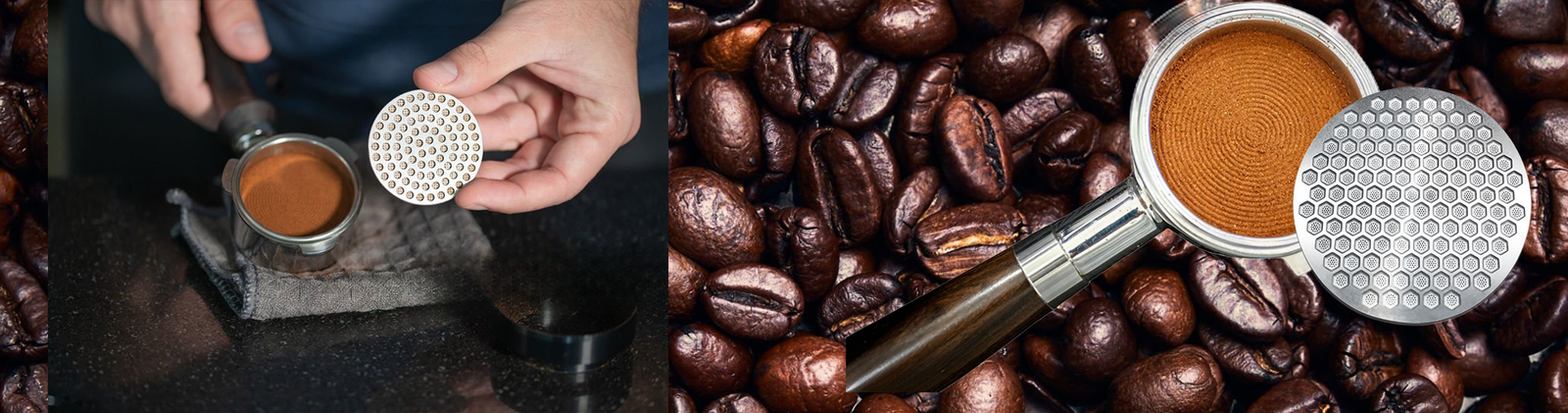
Etched filter screens with precise pore sizes and patterns improve filtration efficiency and prevent clogging. The ability to create complex filter designs allows for the removal of fine particles and sediment, resulting in a cleaner and more flavorful espresso.
Decorative Elements
Beyond functional components, etching can also be used to create decorative elements, such as logos, branding details, and textured surfaces. This allows manufacturers to enhance the aesthetic appeal of their espresso machines and reinforce their brand identity.
OEM Sourcing Considerations: A Checklist
When sourcing etched components for espresso machines, OEMs should consider the following factors:
- Material Selection: Choose a material that is compatible with the intended application, considering factors such as corrosion resistance, temperature stability, and food safety regulations.
- Design for Etching (DFE): Work with an experienced etching supplier to optimize the component design for manufacturability and cost-effectiveness.
- Tolerance Requirements: Clearly specify the required tolerances for each feature to ensure that the etched components meet the necessary performance standards.
- Surface Finish: Define the desired surface finish to achieve the required aesthetic appearance and functional characteristics.
- Quality Control: Implement a robust quality control process to ensure that the etched components meet the specified requirements and are free from defects.
- Supplier Capabilities: Select a supplier with the necessary expertise, equipment, and certifications to meet the specific needs of the project. Look for ISO certifications.
Conclusion
The adoption of chemically etched components is a strategic move for espresso machine manufacturers seeking to improve precision, reduce costs, and enhance design flexibility. By leveraging the unique capabilities of this advanced manufacturing process, OEMs can create innovative, high-performance espresso machines that meet the demands of discerning consumers and maintain a competitive edge in the global market. As the demand for superior espresso experiences continues to grow, the importance of etched components in OEM sourcing will only increase.