Microstructural Analysis of Etched Shower Screens: Secrets to Enhanced Performance
Microstructural Analysis of Etched Shower Screens: Secrets to Enhanced Performance
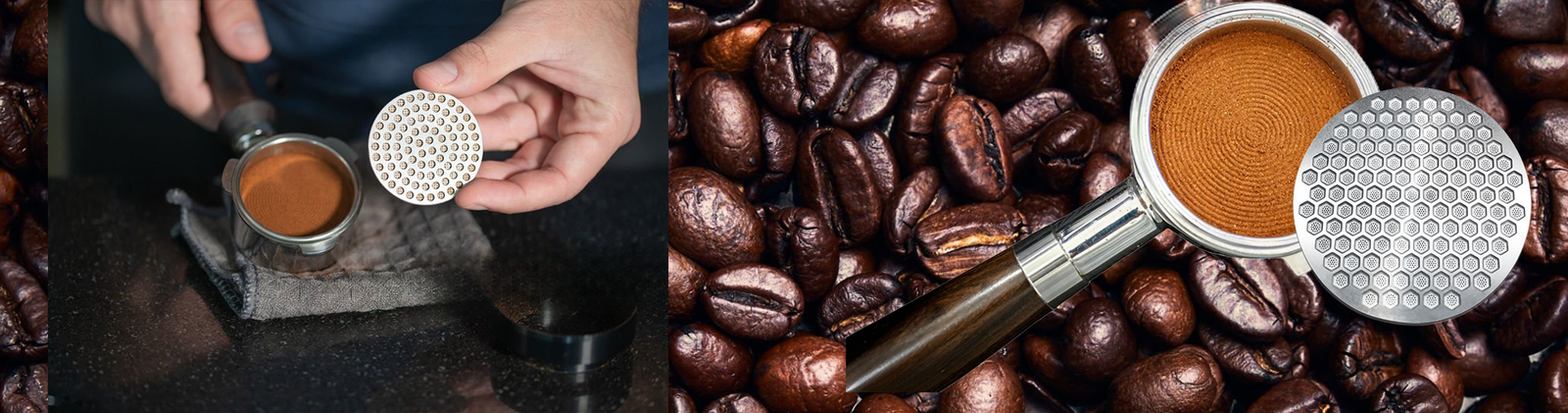
As a valued distributor or OEM partner of Caffepress shower screens, you understand the importance of delivering superior products that meet the demands of your discerning clientele. While aesthetics play a crucial role, the true performance of a shower screen hinges on its underlying material properties and, crucially, its microstructure. This article delves into the intricacies of microstructural analysis of our etched shower screens, revealing how precisely controlled etching processes translate to enhanced performance, durability, and ultimately, customer satisfaction.
Understanding the Role of Microstructure in Shower Screen Performance
The microstructure of a material refers to its internal structure at a microscopic level. For etched shower screens, this involves the arrangement, size, and distribution of grains, phases, and any surface modifications resulting from the etching process. These microstructural features directly impact key performance characteristics, including:
- Corrosion Resistance: A homogenous and properly etched microstructure minimizes the presence of vulnerable sites for corrosion initiation.
- Scratch Resistance: The etching process can create a textured surface, which, when optimized, can effectively disperse abrasive forces, reducing the visibility of scratches.
- Water Repellency: Controlled etching can create a micro-rough surface that enhances hydrophobic properties, leading to quicker drying and reduced water spotting.
- Clarity and Light Transmission: While etching alters the surface, careful process control ensures minimal impact on the screen’s transparency and light diffusion characteristics.
- Durability and Longevity: A well-defined microstructure contributes to the overall strength and resistance to degradation over time, ensuring a longer lifespan for the shower screen.
The Importance of Controlled Etching
Etching, the process of selectively removing material from the shower screen surface using chemical or physical means, is a critical step in achieving the desired microstructure. Poorly controlled etching can lead to undesirable effects such as:
- Excessive Material Removal: Weakening the structural integrity of the screen.
- Uneven Etching: Creating localized stress points and increasing susceptibility to corrosion.
- Surface Defects: Introducing micro-cracks and imperfections that compromise scratch resistance.
Caffepress employs rigorously controlled etching processes, incorporating advanced monitoring and feedback systems to ensure consistent and optimal microstructural outcomes. This precision allows us to tailor the surface texture to meet specific performance requirements.
Microstructural Analysis Techniques Employed by Caffepress
To ensure the highest quality and performance, Caffepress utilizes a range of advanced microstructural analysis techniques to characterize our etched shower screens. These techniques provide valuable insights into the material’s internal structure and allow us to optimize the etching process for superior results.
Scanning Electron Microscopy (SEM)
SEM is a powerful technique that uses a focused beam of electrons to create high-resolution images of the shower screen surface. SEM allows us to:
- Visualize the surface topography: Observe the size, shape, and distribution of etched features.
- Identify any surface defects: Detect micro-cracks, pits, or other imperfections.
- Analyze the chemical composition: Determine the elemental composition of the surface, identifying any contaminants or variations in material composition.
SEM images provide a detailed understanding of the etching process’s impact on the shower screen surface, enabling us to fine-tune parameters for optimal performance.
Atomic Force Microscopy (AFM)
AFM provides even higher resolution imaging than SEM, allowing us to analyze the surface topography at the nanoscale. AFM is particularly useful for:
- Measuring surface roughness: Quantifying the micro-roughness created by the etching process, which directly affects water repellency and scratch resistance.
- Mapping surface properties: Identifying variations in adhesion, friction, and other surface properties.
AFM data helps us understand the relationship between etching parameters and the resulting surface properties, allowing us to tailor the surface texture for specific applications.
Optical Microscopy
While offering lower magnification than SEM and AFM, optical microscopy is a valuable tool for initial assessment and quality control. It allows us to:
- Quickly inspect large areas of the shower screen: Identify any gross defects or inconsistencies in the etching process.
- Assess the uniformity of the etched pattern: Ensure consistent etching across the entire surface.
Optical microscopy serves as a first line of defense in our quality control process, ensuring that only screens meeting our high standards proceed to further analysis.
Translating Microstructural Insights into Enhanced Shower Screen Performance
The microstructural analysis data we gather is not simply academic; it is directly translated into improvements in our etching process and, ultimately, the performance of our shower screens. Here are some specific examples:
- Improved Corrosion Resistance: By optimizing the etching process to create a homogenous surface with minimal stress concentrations, we minimize the risk of localized corrosion and extend the lifespan of the shower screen.
- Enhanced Scratch Resistance: By tailoring the surface roughness through controlled etching, we create a texture that effectively disperses abrasive forces, reducing the visibility of scratches and maintaining the screen’s aesthetic appeal.
- Superior Water Repellency: By creating a micro-rough surface with specific nanoscale features, we enhance the hydrophobic properties of the screen, promoting faster drying and reducing water spotting.
- Consistent Clarity and Light Transmission: While etching alters the surface, we carefully control the process to minimize any negative impact on the screen’s transparency and light diffusion characteristics, ensuring optimal visibility.
The Caffepress Advantage: Microstructure-Driven Innovation
Caffepress is committed to providing our distributors and OEM partners with shower screens that consistently exceed expectations. Our dedication to microstructural analysis and process optimization allows us to deliver products with:
- Superior Durability: Ensuring a longer lifespan and reduced warranty claims.
- Enhanced Performance: Delivering superior water repellency, scratch resistance, and corrosion resistance.
- Consistent Quality: Maintaining strict quality control standards throughout the manufacturing process.
- Innovation-Driven Solutions: Continuously improving our products based on the latest advancements in materials science and etching technology.
Summary
The microstructure of etched shower screens plays a critical role in determining their performance characteristics. Caffepress utilizes advanced microstructural analysis techniques, including SEM, AFM, and optical microscopy, to meticulously characterize our screens and optimize our etching processes. This dedication to precision allows us to deliver shower screens with enhanced corrosion resistance, scratch resistance, water repellency, and overall durability, providing a significant advantage for our distributors and OEM partners. By choosing Caffepress, you are choosing a partner committed to quality, innovation, and customer satisfaction.