Impact of Shower Screen Maintenance on Coffee Machine Pump Pressure
Impact of Shower Screen Maintenance on Coffee Machine Pump Pressure
As overseas distributors and OEM brands partnering with Caffepress, you understand the critical role pump pressure plays in delivering consistently high-quality espresso. Optimal pump pressure ensures proper extraction, resulting in the desired crema, aroma, and flavor profile. While many factors contribute to achieving this, the shower screen – often overlooked – is a surprisingly significant component. This article explores the direct impact of shower screen maintenance on coffee machine pump pressure and offers guidance on best practices for preserving optimal performance.
Understanding the Interplay Between Shower Screen and Pump Pressure
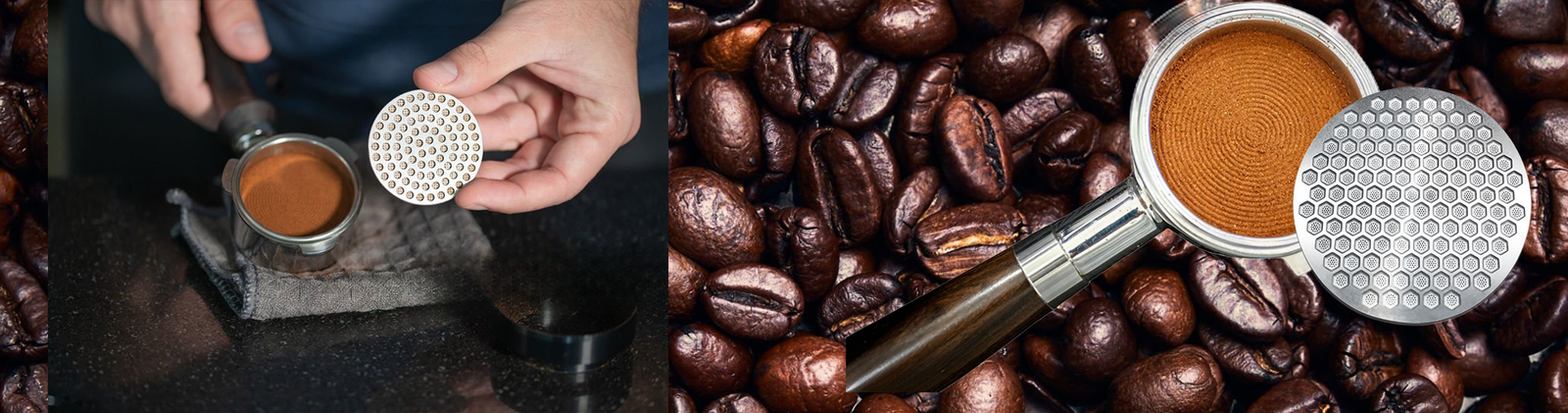
The shower screen’s primary function is to evenly distribute water across the coffee puck during the brewing process. It’s a finely engineered component with precisely sized and placed holes. These holes are calibrated to create a uniform flow, minimizing channeling and ensuring consistent saturation of the coffee grounds. When the shower screen becomes clogged, calcified, or damaged, it disrupts this carefully designed flow, directly affecting the pump pressure.
How Clogged Shower Screens Affect Pump Pressure
- Increased Backpressure: As the holes in the shower screen become obstructed by coffee oils, mineral deposits (scale), or coffee particles, the pump has to work harder to force water through the reduced opening area. This results in increased backpressure, potentially leading to:
- Reduced Brew Pressure at the Puck: While the pump may indicate nominal pressure, the actual pressure at the coffee puck can be significantly lower due to the pressure drop across the clogged screen. This under-extraction leads to weak, sour, or thin espresso.
- Strain on the Pump: The constant exertion against increased backpressure can accelerate wear and tear on the pump motor, reducing its lifespan and requiring more frequent maintenance or replacement.
- Inconsistent Shots: Clogging often occurs unevenly across the shower screen. This creates inconsistent flow patterns, leading to channeling and unpredictable shot quality.
- Decreased Flow Rate: A clogged shower screen restricts the overall flow rate of water. This can manifest as a longer brew time or, in extreme cases, an inability to reach the desired extraction volume.
- Erratic Pressure Readings: In some cases, severe clogging can cause erratic fluctuations in pressure readings, making it difficult to diagnose and troubleshoot brewing issues.
Impact of Damaged Shower Screens
Physical damage to the shower screen, such as dents, warping, or enlarged holes, also compromises its performance. Damaged screens can cause:
- Uneven Water Distribution: Dents and warping distort the water flow, creating areas of concentrated water flow and other areas of dryness in the coffee puck.
- Channeling: Enlarged holes can create preferential pathways for water, leading to severe channeling and inconsistent extraction.
- Reduced Pressure Control: Damage can compromise the screen’s ability to properly regulate the water flow, leading to unpredictable and often lower pump pressure at the puck.
- Entry of Coffee Grounds into the Group Head: A damaged or improperly seated shower screen can allow coffee grounds to pass through, contaminating the group head and potentially damaging other components.
Best Practices for Shower Screen Maintenance
Implementing a regular maintenance schedule for shower screens is essential to ensure optimal pump pressure and consistent espresso quality. Here are key recommendations for distributors and OEM partners to pass on to end-users:
Daily Backflushing
Backflushing is the most effective way to remove coffee oils and particles that accumulate on the shower screen. Follow these steps:
- Use a designated backflushing detergent specifically designed for espresso machines.
- Follow the detergent manufacturer’s instructions for concentration and duration.
- Perform backflushing at the end of each day of operation, or more frequently during periods of heavy use.
- Ensure the blind filter is properly seated in the portafilter during the backflushing process.
- Rinse thoroughly with clean water after backflushing to remove any detergent residue.
Regular Cleaning with a Group Head Brush
A dedicated group head brush is crucial for removing coffee grounds and debris that accumulate around the shower screen and group head gasket.
- Brush the shower screen and group head gasket after each shot, or at least several times per day.
- Use a brush with stiff but gentle bristles to avoid scratching or damaging the shower screen.
- Pay particular attention to the edges of the shower screen and the area around the group head gasket, where coffee grounds tend to accumulate.
Periodic Deep Cleaning and Descaling
Even with regular backflushing, mineral deposits (scale) can build up on the shower screen over time, particularly in areas with hard water. Periodic deep cleaning and descaling are necessary to remove these deposits.
- Soaking in Descaling Solution: Remove the shower screen and soak it in a descaling solution (citric acid or a commercially available descaling product) according to the manufacturer’s instructions. This will dissolve mineral deposits and loosen stubborn coffee oils.
- Ultrasonic Cleaning: For heavily soiled screens, ultrasonic cleaning can be very effective in removing contaminants from hard-to-reach areas.
- Thorough Rinsing: After descaling, rinse the shower screen thoroughly with clean water to remove all traces of the descaling solution.
- Frequency: The frequency of deep cleaning and descaling will depend on water hardness and usage levels, but generally, it should be done every 1-3 months.
Inspection and Replacement
Regularly inspect the shower screen for signs of damage or wear. Replace the shower screen if you notice:
- Dents or warping
- Enlarged or misshapen holes
- Cracks or fractures
- Significant discoloration or corrosion
- Inability to achieve consistent pump pressure despite proper cleaning
Choosing the Right Shower Screen
When replacing shower screens, it’s essential to select a high-quality replacement that is specifically designed for the machine model. Caffepress provides a range of compatible shower screens engineered for optimal performance and durability.
Summary
Maintaining clean and undamaged shower screens is crucial for preserving optimal coffee machine pump pressure and ensuring consistent espresso quality. Regular backflushing, cleaning with a group head brush, periodic deep cleaning and descaling, and timely replacement of worn or damaged screens are essential practices. By educating end-users on these best practices, Caffepress distributors and OEM partners can help them maximize the performance and lifespan of their espresso machines and deliver exceptional coffee experiences.