How Shower Screen Maintenance Improves Cafe Hygiene Ratings
How Shower Screen Maintenance Improves Cafe Hygiene Ratings
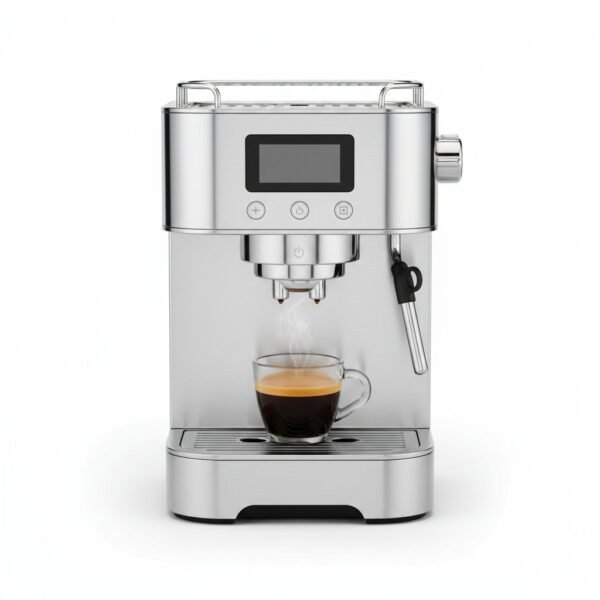
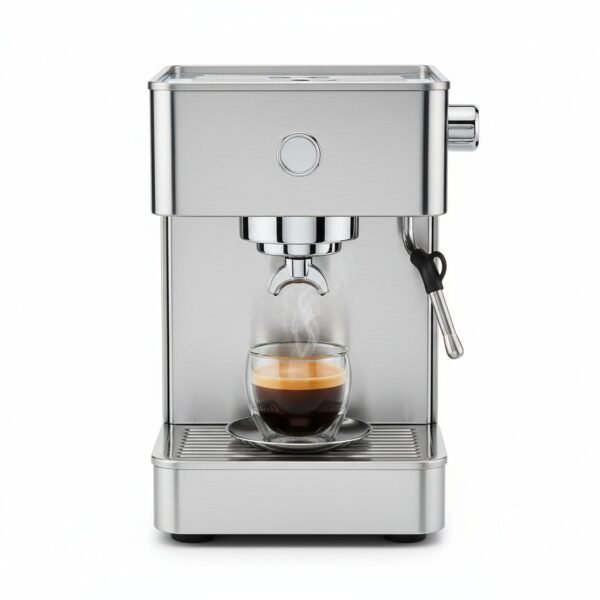
As a Caffepress distributor or OEM partner, you understand the importance of providing your customers with high-quality, reliable espresso machines. However, the performance and longevity of these machines, and crucially, the hygiene standards they uphold, are heavily dependent on proper maintenance. One often-overlooked but critical aspect of espresso machine maintenance is the upkeep of the shower screen. This article will detail the technical reasons why shower screen maintenance directly impacts cafe hygiene ratings and offer practical advice for your customers to ensure optimal cleanliness and performance.
Understanding the Shower Screen and Its Role
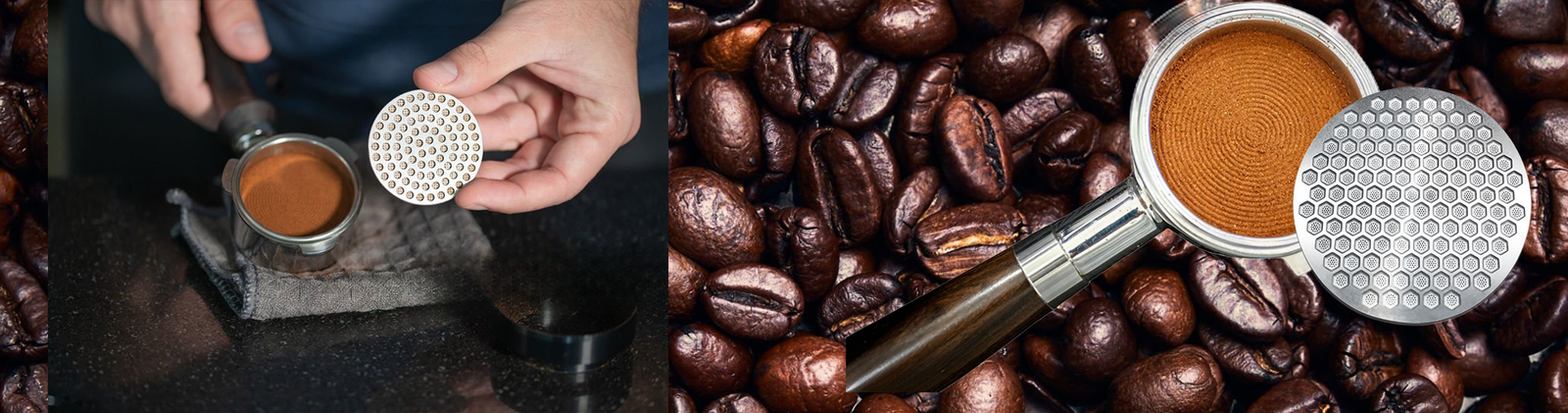
The shower screen, located directly below the group head, plays a vital role in distributing water evenly over the coffee puck during extraction. Its primary function is to:
- Disperse Water Evenly: Ensuring uniform saturation of the coffee grounds for optimal extraction.
- Prevent Channeling: By creating a barrier, it prevents water from finding weak spots and bypassing the coffee, leading to uneven extraction and poor-tasting espresso.
- Filter Fine Particles: A good shower screen acts as a first line of defense against fine coffee particles entering the group head and other internal components.
However, the shower screen’s design also makes it a prime location for the build-up of coffee oils, grounds, and minerals from the water supply. This build-up, if left unaddressed, directly impacts hygiene and can lead to a lower hygiene rating.
The Impact of a Dirty Shower Screen on Cafe Hygiene Ratings
Health inspectors assess various aspects of a cafe’s operation, including the cleanliness of equipment and adherence to food safety standards. A dirty shower screen can negatively impact several key areas evaluated during an inspection:
1. Bacterial Growth and Biofilm Formation
Coffee oils and grounds provide a rich breeding ground for bacteria and mold. The warm, damp environment within the group head accelerates this process. Over time, a biofilm – a slimy layer of microorganisms – can form on the shower screen. This biofilm is difficult to remove with simple rinsing and can contaminate the espresso being brewed, potentially posing a health risk to customers. Hygiene inspectors are trained to identify these issues, which directly contribute to lower scores in cleanliness and food safety categories.
2. Compromised Water Quality
Even if bacterial growth is not immediately apparent, accumulated minerals and old coffee residue can leach into the water used for extraction. This affects the taste of the espresso and, more importantly, can introduce harmful substances into the beverage. While espresso machines often incorporate water filtration systems, these systems are designed to remove dissolved solids, not to combat the consequences of poor equipment maintenance. A dirty shower screen essentially undermines the effectiveness of the water filtration system, potentially leading to health code violations related to water quality.
3. Evidence of Neglect and Poor Maintenance Practices
A visibly dirty shower screen signals a lack of attention to detail and poor maintenance practices to health inspectors. This perception can extend to other areas of the cafe’s operation, even if those areas are actually clean. Inspectors are more likely to scrutinize other aspects of the cafe’s hygiene practices if they observe neglected equipment. A clean, well-maintained shower screen demonstrates a commitment to hygiene and can positively influence the overall assessment.
Best Practices for Shower Screen Maintenance
To ensure optimal hygiene and maintain high hygiene ratings, recommend the following maintenance practices to your customers:
- Backflushing (Daily): Backflushing with a suitable espresso machine cleaner removes coffee oils and grounds from the group head and shower screen. Use a blind filter and follow the manufacturer’s instructions for the cleaner.
- Brush Cleaning (Daily): After each shift, use a dedicated group head brush to scrub the shower screen and remove loose coffee grounds. This prevents the build-up of residue and facilitates more effective backflushing.
- Deep Cleaning (Weekly): Remove the shower screen and soak it in a solution of espresso machine cleaner and hot water. Use a soft brush to remove any stubborn residue. Inspect the screen for damage and replace it if necessary.
- Regular Inspection (Monthly): Regularly inspect the shower screen for signs of wear and tear, such as cracks, warping, or excessive build-up that cannot be removed with cleaning. Replace the shower screen as needed.
- Water Filter Maintenance: Emphasize the importance of replacing water filters according to the manufacturer’s recommendations. This prevents mineral build-up on the shower screen and other internal components.
- Use High-Quality Cleaning Products: Advise using only espresso machine cleaners specifically designed for food-grade equipment. Avoid using harsh chemicals or abrasive cleaners that can damage the shower screen and compromise hygiene.
- Training Staff: Ensure all staff members are properly trained on espresso machine cleaning and maintenance procedures. This helps to prevent negligence and ensures that maintenance tasks are performed consistently.
Choosing the Right Shower Screen
The material and design of the shower screen also play a role in hygiene. Stainless steel shower screens are generally more durable and easier to clean than other materials. Precision shower screens, with finely etched holes, provide more even water distribution and are less prone to clogging. Consider offering a range of high-quality shower screens as part of your product portfolio to help your customers maintain optimal hygiene and performance.
Summary
Shower screen maintenance is not just about improving the taste of espresso; it is a crucial aspect of cafe hygiene and directly impacts hygiene ratings. By understanding the importance of a clean shower screen and implementing proper maintenance practices, your customers can ensure that their espresso machines are operating at their best, delivering consistently high-quality beverages while adhering to the strictest hygiene standards. As a trusted partner, providing your customers with the knowledge and tools to maintain their equipment will strengthen your relationship and contribute to their success.