Hole Edge Quality of Etched Shower Screens: Preventing Coffee Grounds Clogging
As valued distributors and OEM partners, you understand the critical importance of component quality in delivering exceptional coffee experiences. At Caffepress, we’re committed to providing not just products, but also the technical knowledge necessary to ensure optimal performance and customer satisfaction. This article focuses on a seemingly small detail with significant impact: the hole edge quality of etched shower screens used in espresso machines. Poor hole edge quality can lead to a major problem: coffee grounds clogging. We’ll delve into the causes, consequences, and, most importantly, preventative measures you can implement to safeguard your products and maintain a high standard of performance.
The Critical Role of the Shower Screen
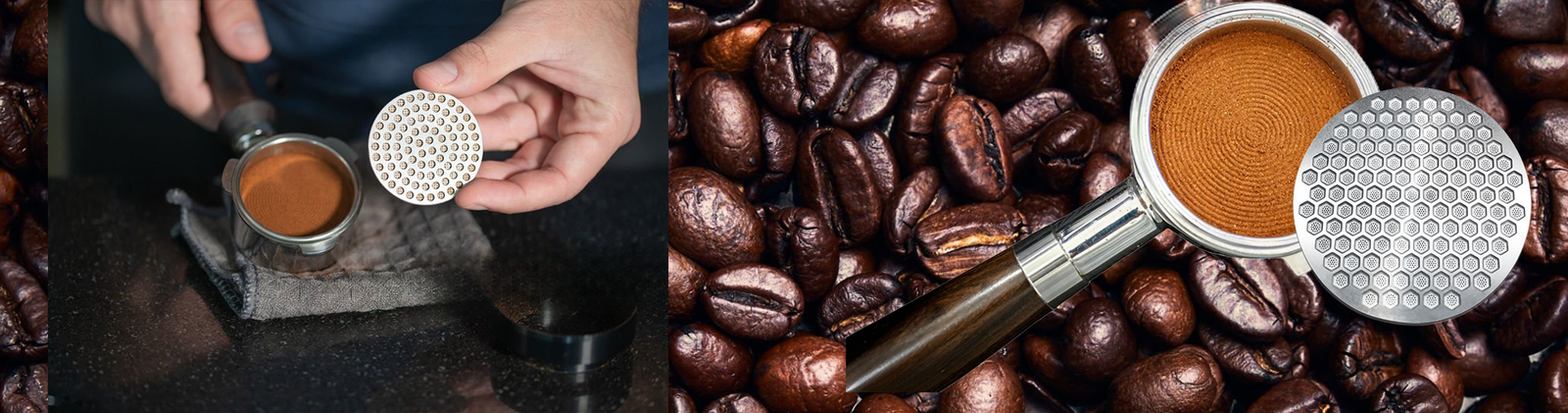
The shower screen plays a crucial role in espresso extraction. It’s responsible for evenly distributing hot water over the coffee puck, ensuring a consistent and uniform saturation. This even saturation is paramount for achieving balanced extraction and preventing channeling, which can lead to sour or bitter tastes. A properly functioning shower screen is therefore essential for delivering the rich, flavorful espresso your customers expect.
However, even the best espresso machine is vulnerable to problems if the shower screen is compromised. Coffee grounds can easily get trapped within the holes of a poorly manufactured screen, leading to clogging. This clogging disrupts the water flow, resulting in uneven extraction, reduced pressure, and ultimately, a subpar coffee experience. Furthermore, repeated clogging can require more frequent cleaning and maintenance, impacting the lifespan of the espresso machine and potentially leading to customer dissatisfaction.
Understanding the Causes of Poor Hole Edge Quality in Etched Shower Screens
Chemically etched shower screens offer a cost-effective and precise method for creating the intricate hole patterns required for optimal water distribution. However, the etching process is delicate and susceptible to variations that can negatively impact hole edge quality. Understanding these potential pitfalls is the first step towards preventing them:
- Inconsistent Etching Solution: The concentration and purity of the etching solution are crucial. Variations can lead to uneven etching, resulting in burrs, rough edges, or incomplete hole formation. Maintaining strict quality control over the etching solution is paramount.
- Insufficient Masking: The masking layer protects areas of the metal sheet that should *not* be etched. If the masking is flawed – perhaps with pinholes or incomplete coverage – the etching solution can attack unintended areas, leading to irregular hole shapes and damaged edges.
- Suboptimal Etching Parameters: The etching time, temperature, and agitation levels all influence the final hole edge quality. Deviations from optimal parameters can cause over-etching (creating larger, less defined holes with ragged edges) or under-etching (leaving partially formed holes that easily trap coffee grounds).
- Metal Sheet Defects: Pre-existing imperfections in the metal sheet, such as scratches or surface irregularities, can exacerbate etching problems, leading to weak or damaged hole edges. Choosing high-quality metal stock is therefore critical.
- Post-Etch Cleaning Issues: Even with a perfect etching process, inadequate cleaning after etching can leave behind residual etching solution or metal particles, which can corrode or obstruct the holes over time.
Identifying Problematic Hole Edge Characteristics
Identifying problematic hole edge characteristics early is vital to prevent clogging issues. Here are some key indicators to look for:
- Burrs: Small, raised edges of metal protruding from the hole. These act as effective traps for coffee grounds.
- Ragged Edges: Uneven or jagged edges around the hole opening.
- Undercutting: Erosion of the metal underneath the surface layer around the hole, creating a lip where grounds can accumulate.
- Incomplete Holes: Holes that are not fully formed or have partially closed openings.
- Debris: Residual etching solution or metal particles clinging to the hole edges.
Strategies for Ensuring High-Quality Hole Edges
Preventing coffee grounds clogging hinges on ensuring consistently high-quality hole edges. Here are several strategies that Caffepress employs and recommends to our partners:
- Stringent Quality Control of Etching Solution: Regularly monitor and maintain the etching solution’s concentration, purity, and temperature. Implement rigorous testing procedures to ensure consistency.
- High-Precision Masking Techniques: Employ advanced masking techniques, such as photolithography, to ensure precise and complete coverage of the areas that should not be etched. Regularly inspect the masking layer for defects.
- Optimized Etching Parameters: Carefully calibrate and control the etching parameters (time, temperature, agitation) to achieve optimal etching results. Conduct thorough testing to determine the ideal parameters for different metal types and thicknesses.
- Premium Metal Stock Selection: Use only high-quality, defect-free metal sheets. Inspect the metal surface for scratches, irregularities, or other imperfections before etching.
- Thorough Post-Etch Cleaning: Implement a multi-stage cleaning process to remove all traces of etching solution and metal particles. Utilize specialized cleaning agents and techniques appropriate for the metal type. Ultrasonic cleaning can be particularly effective.
- Microscopic Inspection: Conduct microscopic inspections of the etched shower screens to identify any defects in hole edge quality. This allows for early detection of potential problems and corrective action.
- Surface Treatment (Passivation): Consider a passivation treatment after etching and cleaning. Passivation creates a protective layer on the metal surface, preventing corrosion and further reducing the risk of coffee grounds sticking to the hole edges.
- Regular Equipment Maintenance: Properly maintain and calibrate all etching equipment to ensure consistent and reliable performance.
Impact on Your Business and Brand Reputation
Investing in high-quality shower screens with superior hole edge quality translates directly into tangible benefits for your business:
- Reduced Warranty Claims: Fewer instances of coffee grounds clogging will lead to fewer warranty claims and service requests.
- Increased Customer Satisfaction: Consistent and reliable espresso extraction will result in happier customers and positive reviews.
- Enhanced Brand Reputation: A reputation for quality and reliability will strengthen your brand and attract new customers.
- Lower Maintenance Costs: Reduced clogging translates to less frequent cleaning and maintenance, saving time and resources.
- Longer Product Lifespan: Minimizing stress on the espresso machine due to clogging can extend its overall lifespan.
Summary
The hole edge quality of etched shower screens is a seemingly minor detail that plays a critical role in the performance and reliability of espresso machines. By understanding the causes of poor hole edge quality and implementing proactive measures to ensure consistent quality, you can prevent coffee grounds clogging, reduce warranty claims, enhance customer satisfaction, and ultimately strengthen your brand reputation. At Caffepress, we are committed to providing you with the knowledge and resources you need to succeed. Contact us today to learn more about our high-quality shower screens and how we can help you deliver exceptional coffee experiences to your customers.