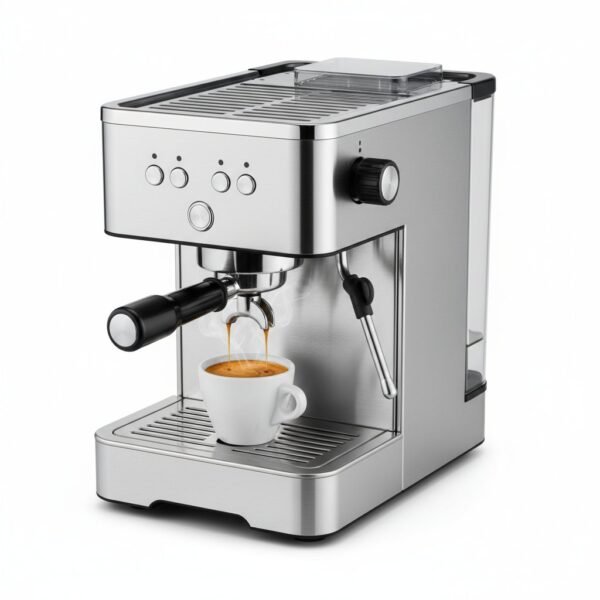
Global Market Trends Analysis for Espresso Machine Components
Global Market Trends Analysis for Espresso Machine Components
The global espresso machine market is experiencing robust growth, fueled by increasing coffee consumption worldwide, the rise of specialty coffee shops, and technological advancements in machine design. This analysis delves into the key market trends specifically impacting espresso machine components, providing valuable insights for overseas distributors and OEM brands seeking to capitalize on emerging opportunities. We will examine trends in demand, technological advancements, material science, and regional variations to equip you with the knowledge to make informed strategic decisions.
Market Size and Growth Drivers
The overall espresso machine market is projected to continue its upward trajectory in the coming years. Several factors are contributing to this growth, which directly influences the demand for high-quality components:
- Increased Coffee Consumption: Global coffee consumption is rising, particularly in emerging markets. This drives demand for both commercial and domestic espresso machines.
- Specialty Coffee Culture: The growing popularity of specialty coffee shops and the increasing demand for barista-quality coffee at home are pushing manufacturers to produce more sophisticated and feature-rich espresso machines.
- Technological Innovation: Continuous advancements in espresso machine technology, such as improved temperature control, automated brewing cycles, and smart connectivity, necessitate high-performance and reliable components.
- E-commerce Boom: The ease of online shopping is expanding the reach of espresso machine manufacturers and component suppliers to a wider global audience.
This increased demand translates to greater opportunities for suppliers of key espresso machine components, including:
- Boilers: Precision-engineered boilers for consistent temperature and pressure.
- Pumps: High-performance pumps for optimal extraction.
- Group Heads: Durable and thermally stable group heads for even water distribution.
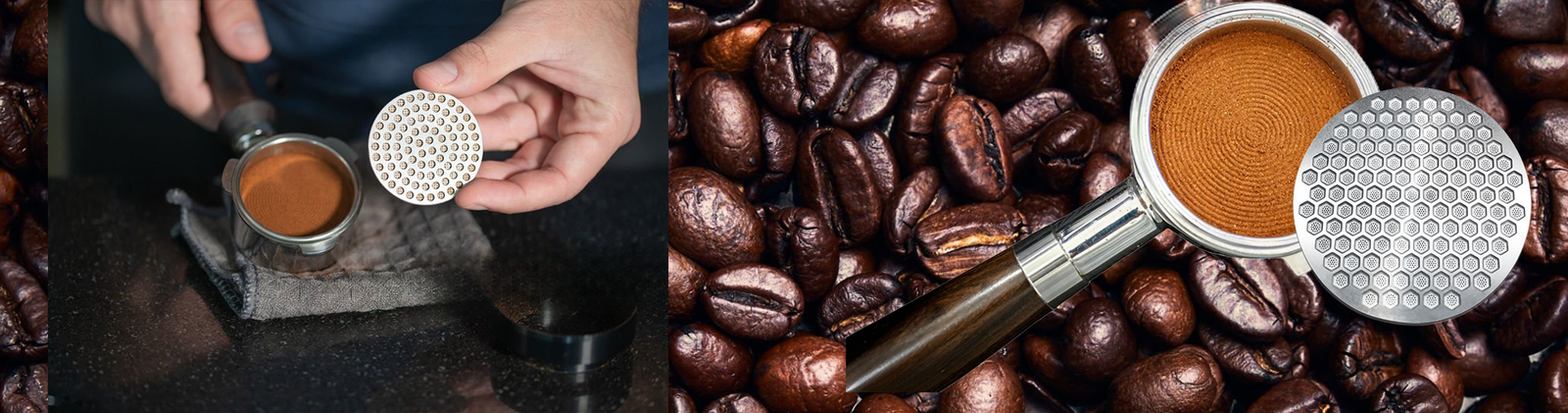
- Portafilters: Robust and ergonomic portafilters for efficient tamping.
- Electronics: Sophisticated control boards and sensors for automated operation.
- Valves & Fittings: Reliable valves and fittings for leak-proof operation and safety.
Key Technological Advancements Shaping Component Demand
Innovation in espresso machine technology is creating new requirements for components, driving demand for advanced materials and functionalities:
- Precise Temperature Control: Consumers and baristas alike demand consistent and accurate temperature control for optimal coffee extraction. This necessitates the use of high-quality temperature sensors, PID controllers, and thermally stable materials in boilers and group heads.
- IoT and Smart Features: Integration of IoT capabilities into espresso machines allows for remote monitoring, automated maintenance, and data-driven optimization of brewing parameters. This trend requires sophisticated electronic components, sensors, and connectivity modules.
- Energy Efficiency: Growing environmental awareness and rising energy costs are driving demand for energy-efficient espresso machines. Component manufacturers are focusing on developing boilers with improved insulation, pumps with lower power consumption, and intelligent power management systems.
- Automation and Robotics: The incorporation of automation and robotics into espresso machines streamlines the brewing process and improves consistency. This necessitates the use of precision motors, sensors, and control systems.
Material Science Considerations:
The selection of materials plays a crucial role in the performance, durability, and safety of espresso machine components. Key trends in material science include:
- Stainless Steel: Remains the dominant material for boilers, group heads, and portafilters due to its corrosion resistance, durability, and thermal stability. 316L stainless steel is becoming increasingly popular for its superior resistance to chloride pitting.
- Brass: Commonly used for fittings and valves due to its machinability and corrosion resistance. Lead-free brass alloys are becoming increasingly prevalent due to health concerns associated with lead leaching.
- High-Performance Plastics: Engineering plastics such as PEEK (Polyether Ether Ketone) and PPS (Polyphenylene Sulfide) are being used in components that require high temperature resistance, chemical resistance, and dimensional stability.
- Advanced Coatings: Coatings such as DLC (Diamond-Like Carbon) and PVD (Physical Vapor Deposition) are being applied to components to improve wear resistance, reduce friction, and enhance corrosion protection.
Regional Market Variations
The demand for espresso machine components varies significantly across different regions due to differences in coffee consumption habits, economic conditions, and regulatory requirements:
- North America: A mature market with a strong demand for high-end domestic and commercial espresso machines. Focus on automation, smart features, and energy efficiency.
- Europe: A diverse market with a well-established coffee culture. Emphasis on traditional espresso machines and authentic Italian coffee. Stringent regulatory requirements regarding safety and energy efficiency.
- Asia-Pacific: A rapidly growing market with a large potential for both domestic and commercial espresso machines. Increasing demand for specialty coffee and innovative brewing technologies.
- Latin America: A region with a strong coffee heritage and a growing demand for affordable espresso machines. Focus on reliability, durability, and ease of maintenance.
Understanding these regional variations is crucial for component suppliers to tailor their products and marketing strategies to meet the specific needs of each market. For example, suppliers targeting the European market should prioritize compliance with EU regulations, while suppliers targeting the Asia-Pacific market should focus on offering affordable and innovative solutions.
Challenges and Opportunities
While the global espresso machine component market offers significant opportunities, it also presents several challenges:
- Intense Competition: The market is highly competitive, with numerous suppliers vying for market share.
- Price Pressure: Manufacturers are constantly seeking to reduce costs, putting pressure on component suppliers to offer competitive pricing.
- Supply Chain Disruptions: Global supply chain disruptions can impact the availability and cost of raw materials and components.
- Regulatory Compliance: Meeting the diverse regulatory requirements of different regions can be complex and costly.
To overcome these challenges and capitalize on market opportunities, component suppliers should focus on:
- Innovation: Developing innovative and high-performance components that meet the evolving needs of espresso machine manufacturers.
- Quality: Maintaining rigorous quality control standards to ensure the reliability and durability of components.
- Cost Optimization: Streamlining manufacturing processes and optimizing supply chains to reduce costs.
- Strategic Partnerships: Building strong relationships with espresso machine manufacturers and distributors.
- Agility: Being flexible and adaptable to changing market conditions and customer requirements.
Summary
The global espresso machine component market is poised for continued growth, driven by increasing coffee consumption, technological advancements, and the rise of specialty coffee culture. Overseas distributors and OEM brands that can adapt to evolving market trends, invest in innovation, and build strong partnerships will be best positioned to succeed in this dynamic and competitive industry. By understanding the regional nuances, focusing on quality and cost optimization, and proactively addressing challenges, you can effectively capture market share and achieve sustainable growth in the global espresso machine component market.