Cost-Benefit Analysis of Commercial Coffee Equipment Components: A Long-Term Investment Perspective
Cost-Benefit Analysis of Commercial Coffee Equipment Components: A Long-Term Investment Perspective
As overseas distributors and OEM brands deeply invested in the commercial coffee equipment sector, you understand the crucial role that high-quality components play in the overall performance, longevity, and profitability of your products. While initial cost is always a factor, a comprehensive cost-benefit analysis provides a clearer picture of the true value proposition, considering long-term performance, maintenance costs, and brand reputation. This article delves into a structured approach to evaluating the cost-benefit ratio of various commercial coffee equipment components, focusing on a long-term investment perspective. Understanding these principles will empower you to make informed decisions that optimize your product offerings and strengthen your market position.
Understanding the Framework for Cost-Benefit Analysis
Before diving into specific components, let’s establish a framework for conducting a robust cost-benefit analysis. This framework considers both quantitative and qualitative factors, providing a holistic evaluation.
- Define Scope: Clearly identify the specific component being analyzed (e.g., a brewing boiler, a grinder burr set, a water pump).
- Identify Costs: List all associated costs, not just the initial purchase price. This includes:
- Initial Purchase Price: The upfront cost of the component.
- Installation Costs: Labor and materials required for installation.
- Maintenance Costs: Projected costs for routine maintenance, cleaning, and inspections over the component’s lifespan.
- Repair Costs: Estimate the frequency and cost of potential repairs, considering the component’s reliability.
- Downtime Costs: Lost revenue due to equipment downtime caused by component failure. Quantify this based on average sales per hour and estimated downtime.
- Energy Consumption: Analyze the component’s energy efficiency and its impact on operational costs.
- Replacement Costs: Factor in the cost of eventual component replacement, including disposal of the old component.
- Identify Benefits: Outline the advantages offered by the component, considering:
- Performance: Measure the component’s impact on coffee quality, consistency, and brewing speed.
- Reliability: Assess the component’s durability and expected lifespan. Higher reliability translates to fewer repairs and less downtime.
- Efficiency: Determine how the component contributes to energy savings and reduced waste.
- Ease of Use and Maintenance: Consider how easy the component is to operate and maintain, impacting labor costs and potential for user error.
- Brand Reputation: A high-quality component contributes to overall product reliability and customer satisfaction, bolstering your brand reputation.
- Customer Satisfaction: Improved coffee quality and machine reliability lead to happier customers and repeat business.
- Compliance: Ensure the component meets all relevant safety and regulatory standards.
- Quantify (Where Possible): Assign monetary values to both costs and benefits whenever feasible. For example, calculate the cost savings from energy efficiency or the revenue increase from faster brewing times.
- Time Horizon: Define the analysis timeframe (e.g., 5 years, 10 years). This is crucial for calculating long-term costs and benefits, including depreciation.
- Discount Rate: Apply a discount rate to future costs and benefits to reflect the time value of money. This accounts for inflation and the opportunity cost of capital.
- Calculate Net Present Value (NPV): NPV is the difference between the present value of benefits and the present value of costs over the analysis timeframe. A positive NPV indicates that the component is a worthwhile investment.
- Sensitivity Analysis: Test the robustness of the analysis by varying key assumptions (e.g., repair costs, energy prices) to see how they affect the NPV.
Component-Specific Considerations: Examples
Let’s examine the cost-benefit analysis of specific components, highlighting key considerations for each.
Brewing Boilers
The brewing boiler is a critical component directly impacting coffee temperature stability and brewing consistency. Choosing a high-quality boiler material and design can significantly influence long-term performance.
- Material: Stainless steel boilers offer superior corrosion resistance and longevity compared to copper or aluminum alternatives. While stainless steel may have a higher initial cost, it minimizes the risk of leaks, contamination, and costly replacements.
- Insulation: Energy-efficient insulation reduces heat loss, lowering energy consumption and contributing to significant cost savings over the boiler’s lifespan. Accurately measure the boiler’s power consumption with and without enhanced insulation to quantify the savings.
- Heating Element: Consider the heating element’s material (e.g., Incoloy) and its power rating. A robust heating element minimizes the risk of burnout and ensures consistent temperature maintenance. Over-specifying the wattage can lead to increased energy consumption, so careful calculation is crucial.
- Scale Resistance: Boilers designed with features to minimize scale buildup (e.g., specialized coatings, easy access for descaling) reduce maintenance frequency and extend the boiler’s lifespan.
Grinder Burrs
The grinder burrs determine the consistency and particle size distribution of the coffee grounds, directly impacting extraction quality and flavor. Investing in high-quality burrs leads to better coffee and longer lifespan.
- Material: Tool steel or ceramic burrs offer superior hardness and wear resistance compared to stainless steel alternatives. While more expensive upfront, they maintain sharpness longer, resulting in more consistent grind quality and fewer replacements.
- Burr Geometry: The design of the burr (e.g., flat, conical) influences grinding efficiency, heat generation, and particle size distribution. Research and select burr geometry that best suits the intended coffee profile and brewing method.
- Coating: Specialized coatings (e.g., titanium nitride) can further enhance burr hardness, reduce friction, and extend lifespan.
- Grind Speed: Efficient burrs grind quickly, minimizing heat generation that can negatively impact coffee flavor.
Water Pumps
The water pump ensures consistent water pressure and flow rate, crucial for proper coffee extraction. Selecting a reliable pump minimizes downtime and ensures consistent performance.
- Type: Rotary vane pumps generally offer higher pressure and flow rates compared to vibratory pumps, making them suitable for high-volume commercial applications. However, they may have a higher initial cost and require more maintenance.
- Material: Pump materials (e.g., stainless steel, brass) should be compatible with hot water and resistant to corrosion.
- Pressure Regulation: Accurate pressure regulation is essential for consistent coffee extraction. Look for pumps with precise pressure adjustment mechanisms.
- Lifespan: Consider the pump’s expected lifespan and the availability of replacement parts.
Other Component Considerations
Beyond the examples above, consider the cost-benefit of other components such as:
- Electronic Controls: Reliability, user-friendliness, and advanced features (e.g., programmable brewing profiles) justify a higher initial cost.
- Group Heads: Thermal stability, material quality, and ease of cleaning contribute to consistent brewing temperatures and minimal maintenance.
- Steam Wands: Ergonomic design, thermal insulation, and steam pressure control influence milk frothing quality and user comfort.
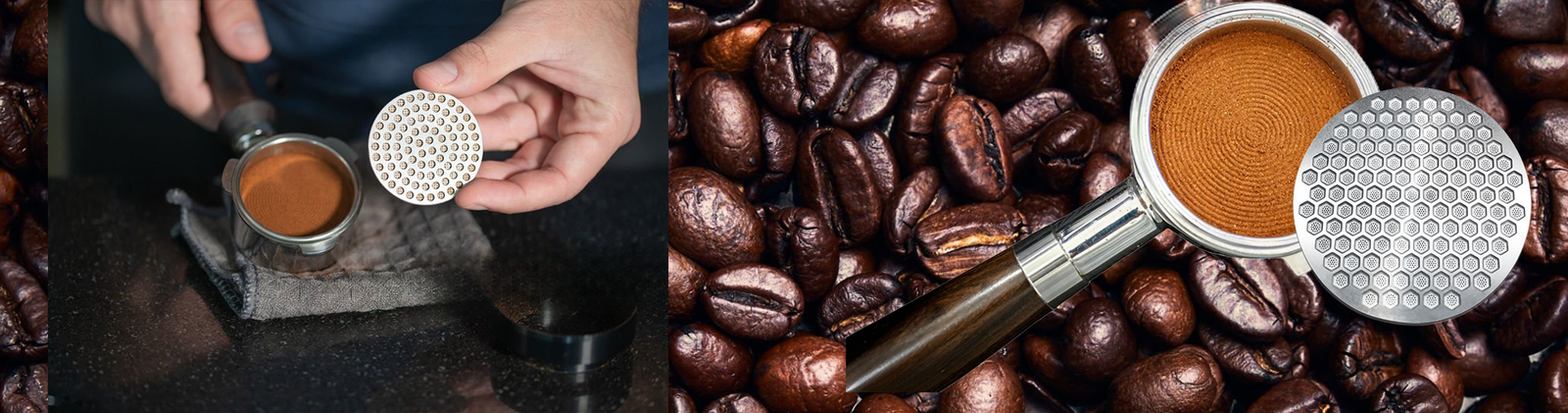
- Filter Baskets: Precision manufacturing and material quality affect extraction uniformity and prevent channeling.
- Hoses and Fittings: Food-grade materials, secure connections, and leak-proof designs prevent contamination and ensure safe operation.
Summary
A thorough cost-benefit analysis is essential for making informed decisions about commercial coffee equipment components. By carefully considering all associated costs and benefits, quantifying them whenever possible, and focusing on a long-term investment perspective, overseas distributors and OEM brands can optimize their product offerings, enhance their brand reputation, and achieve sustainable profitability. Remember to factor in performance, reliability, efficiency, ease of use, and customer satisfaction. By focusing on quality and durability, you contribute to a superior coffee experience for your customers, ultimately leading to long-term success in the competitive coffee equipment market.