Cleaning and Sterilization of Stainless Steel Shower Screens: Material Compatibility
Cleaning and Sterilization of Stainless Steel Shower Screens: Material Compatibility
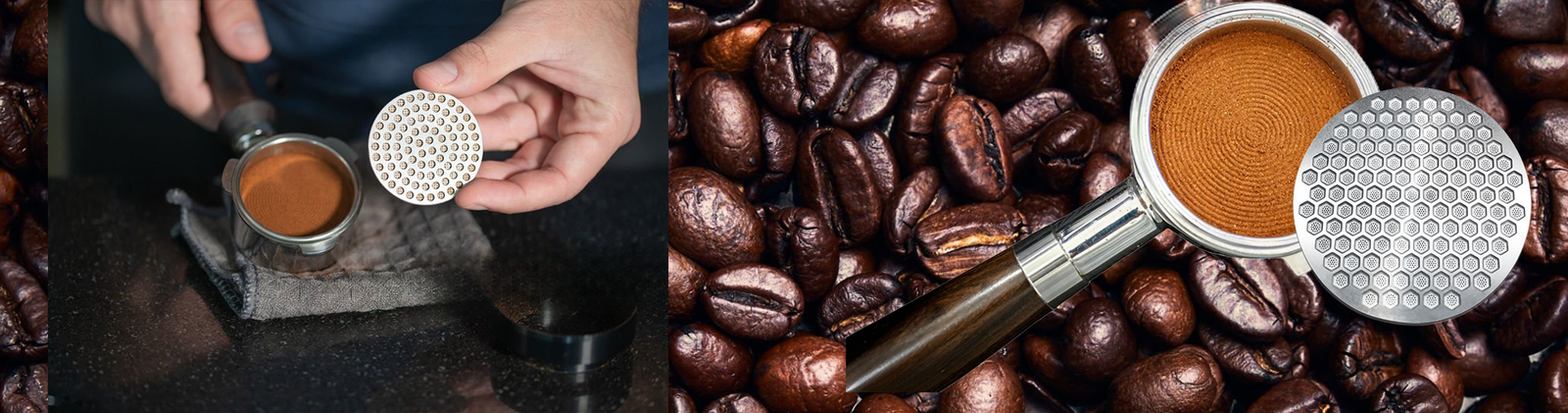
As a Caffepress distributor or OEM partner, maintaining the quality and hygiene of our stainless steel shower screens is paramount. These components are often exposed to various environmental factors and cleaning agents, making proper cleaning and sterilization protocols crucial for longevity, performance, and end-user safety. This guide provides a detailed overview of recommended procedures, focusing on material compatibility to prevent damage and ensure the continued excellence of Caffepress products.
Understanding Stainless Steel Grades in Shower Screens
Caffepress shower screens are primarily manufactured using austenitic stainless steel, typically 304 or 316 grades. These grades are chosen for their corrosion resistance, durability, and ease of fabrication. Understanding the nuances of each grade is vital for selecting appropriate cleaning and sterilization methods.
- 304 Stainless Steel: A versatile and widely used grade, 304 offers excellent resistance to oxidation and corrosion in a variety of environments. It’s suitable for applications where exposure to harsh chemicals is limited.
- 316 Stainless Steel: This grade contains molybdenum, significantly enhancing its resistance to chloride corrosion, making it ideal for environments with high salt content or exposure to aggressive cleaning agents.
While stainless steel is inherently corrosion-resistant, improper cleaning agents or sterilization techniques can compromise its integrity, leading to pitting, discoloration, or even structural failure. Always consult the product specifications to determine the exact grade of stainless steel used in your shower screens.
Recommended Cleaning Agents and Procedures
The appropriate cleaning agent depends on the type and severity of contamination. For routine cleaning, mild detergents are generally sufficient. However, stubborn stains or accumulated residue may require more specialized solutions.
Daily/Weekly Cleaning: Mild Detergent Solutions
For regular maintenance, a solution of warm water and a mild, pH-neutral detergent is recommended. Apply the solution with a soft cloth or sponge, ensuring all surfaces are thoroughly cleaned. Rinse thoroughly with clean water to remove any detergent residue. Avoid abrasive scrubbers that can scratch the surface.
Best Practices:
- Use a soft cloth or sponge.
- Rinse thoroughly with potable water.
- Dry the surface with a clean, lint-free cloth to prevent water spots.
Addressing Stubborn Stains and Residue
For mineral deposits or soap scum, a diluted vinegar solution (1 part white vinegar to 10 parts water) can be effective. Apply the solution to the affected area, allow it to dwell for a few minutes, and then scrub gently with a non-abrasive sponge. Rinse thoroughly with water and dry. For more persistent stains, consider using commercially available stainless steel cleaners specifically formulated for removing hard water stains.
Cautions:
- Always dilute acids (like vinegar) properly.
- Test the cleaning solution on an inconspicuous area first to ensure it doesn’t discolor the stainless steel.
- Avoid prolonged contact with acidic or alkaline solutions.
Sterilization Methods and Material Compatibility
While thorough cleaning removes most contaminants, sterilization is necessary in environments requiring a higher level of hygiene. Several sterilization methods are available, but not all are compatible with stainless steel.
Autoclaving (Steam Sterilization)
Autoclaving is generally safe for 304 and 316 stainless steel. The high-pressure steam effectively eliminates microorganisms. Ensure the shower screens are thoroughly cleaned before autoclaving to remove any organic matter that could interfere with the sterilization process.
Important Considerations:
- Ensure proper steam penetration by arranging the shower screens appropriately in the autoclave.
- Follow the autoclave manufacturer’s instructions for cycle parameters (temperature, pressure, and duration).
- Regularly inspect the shower screens for any signs of corrosion or damage after autoclaving.
Chemical Sterilization
Chemical sterilization involves immersing the shower screens in a solution of sterilizing agents, such as glutaraldehyde or hydrogen peroxide. While effective, careful selection of the chemical sterilant is crucial to prevent corrosion.
Recommendations:
- Consult the chemical sterilant manufacturer’s material compatibility guidelines to ensure it is safe for use with 304 or 316 stainless steel.
- Avoid sterilants containing chlorides or high concentrations of oxidizing agents, as these can promote pitting corrosion.
- Rinse the shower screens thoroughly with sterile water after sterilization to remove any residual chemical sterilant.
UV Sterilization
UV sterilization is a non-chemical method that uses ultraviolet light to kill microorganisms. It is generally safe for stainless steel and does not cause corrosion. However, UV sterilization is only effective on surfaces directly exposed to the UV light, so proper positioning of the shower screens is essential.
Limitations:
- Ensure all surfaces are directly exposed to the UV light.
- UV sterilization may not be effective against all types of microorganisms.
- It is recommended to use UV sterilization as a supplement to, rather than a replacement for, cleaning and other sterilization methods.
Incompatible Cleaning Agents and Sterilization Methods
Certain cleaning agents and sterilization methods are detrimental to stainless steel and should be avoided. These include:
- Abrasive cleaners: Steel wool, scouring pads, and abrasive powders can scratch the surface of the stainless steel, making it more susceptible to corrosion.
- Chlorine-based bleach: Concentrated chlorine bleach can cause pitting corrosion, especially in 304 stainless steel.
- Hydrochloric acid: This strong acid is highly corrosive to stainless steel.
- High concentrations of hydrogen peroxide: While diluted hydrogen peroxide can be used for sterilization, high concentrations can damage the material. Always check manufacturer guidelines for concentration limits.
- Improperly maintained autoclaves: Insufficient steam quality or improper venting can lead to corrosion.
Summary
Maintaining the cleanliness and sterility of Caffepress stainless steel shower screens is essential for optimal performance and longevity. By understanding the specific grade of stainless steel used, employing appropriate cleaning agents and sterilization methods, and avoiding incompatible substances, you can ensure the continued quality and reliability of our products. Always prioritize gentle cleaning methods, rinse thoroughly, and dry the components completely after each cleaning or sterilization cycle. Regularly inspect the shower screens for any signs of damage or corrosion and replace them as needed to maintain the highest standards of hygiene and performance.