Cleaning and Maintenance of Food-Grade Stainless Steel: Maintaining Compliance
As a leading manufacturer of commercial coffee equipment, Caffepress understands the critical importance of hygiene and compliance in the food and beverage industry. This article provides our overseas distributors and OEM partners with comprehensive guidance on the cleaning and maintenance of food-grade stainless steel components, ensuring the longevity of our equipment and safeguarding consumer health.
Why Proper Cleaning Matters: Compliance and Longevity
Food-grade stainless steel is chosen for its resistance to corrosion, durability, and ease of cleaning, making it an ideal material for environments demanding the highest hygiene standards. However, these benefits are contingent on diligent and appropriate cleaning practices. Insufficient or improper cleaning can lead to several problems:
- Bacterial Growth: Even small amounts of residual food particles can foster bacterial growth, posing a significant health risk and violating food safety regulations.
- Corrosion: Although stainless steel is corrosion-resistant, harsh chemicals or abrasive cleaning methods can damage its protective layer, leading to rust and pitting.
- Reduced Lifespan: Accumulated grime and scale can impair the functionality of equipment, leading to premature wear and tear, resulting in costly repairs and replacements.
- Compromised Flavor: Residual cleaning agents or accumulated coffee oils can negatively impact the taste and aroma of coffee, affecting product quality and customer satisfaction.
Therefore, adherence to proper cleaning and maintenance protocols is not merely about aesthetics; it’s a fundamental requirement for regulatory compliance, operational efficiency, and the preservation of product quality.
Recommended Cleaning Procedures: A Step-by-Step Guide
The specific cleaning procedures will vary depending on the equipment and the type of residue being removed. However, the following general guidelines apply to most food-grade stainless steel components in Caffepress equipment:
- Pre-Cleaning: Immediately after use, remove any loose debris or food particles with a brush or scraper. Rinse thoroughly with clean, potable water. This prevents residue from drying and hardening, making subsequent cleaning easier.
- Cleaning Solution: Use a food-grade detergent specifically designed for stainless steel. Avoid using abrasive cleaners, steel wool, or scouring pads, as these can scratch the surface and compromise its protective layer. Follow the detergent manufacturer’s instructions for dilution and contact time. For coffee residue, consider using a specialized coffee equipment cleaner formulated to dissolve oils and scale.
- Application: Apply the cleaning solution evenly to all surfaces, ensuring complete coverage. For intricate parts or hard-to-reach areas, use a soft brush or sponge. Allow the solution to dwell for the recommended time to effectively loosen dirt and grime.
- Scrubbing: Gently scrub all surfaces with a soft cloth or brush. Avoid excessive force, which can damage the stainless steel. Pay particular attention to seams, joints, and crevices, where residue tends to accumulate.
- Rinsing: Thoroughly rinse all surfaces with clean, potable water to remove all traces of the cleaning solution. Insufficient rinsing can leave behind residue that can affect the taste of coffee or corrode the stainless steel.
- Sanitizing (Optional): For enhanced hygiene, consider sanitizing the equipment after cleaning. Use a food-grade sanitizer according to the manufacturer’s instructions. Ensure thorough rinsing after sanitizing to remove any residual sanitizer.
- Drying: Allow the equipment to air dry completely. If air drying is not feasible, use a clean, lint-free cloth to dry all surfaces. This prevents water spots and mineral buildup.
Specific Considerations for Coffee Equipment
Coffee brewing equipment requires special attention due to the accumulation of coffee oils and mineral scale. In addition to the general cleaning procedures outlined above, consider the following:
- Backflushing: For espresso machines, regular backflushing is essential to remove coffee grounds and oils from the group head and brewing pathways. Follow the manufacturer’s instructions for backflushing frequency and procedures.
- Descaling: Mineral scale buildup can significantly impair the performance of coffee equipment. Descale your equipment regularly using a food-grade descaling solution. The frequency of descaling depends on the water hardness in your area.
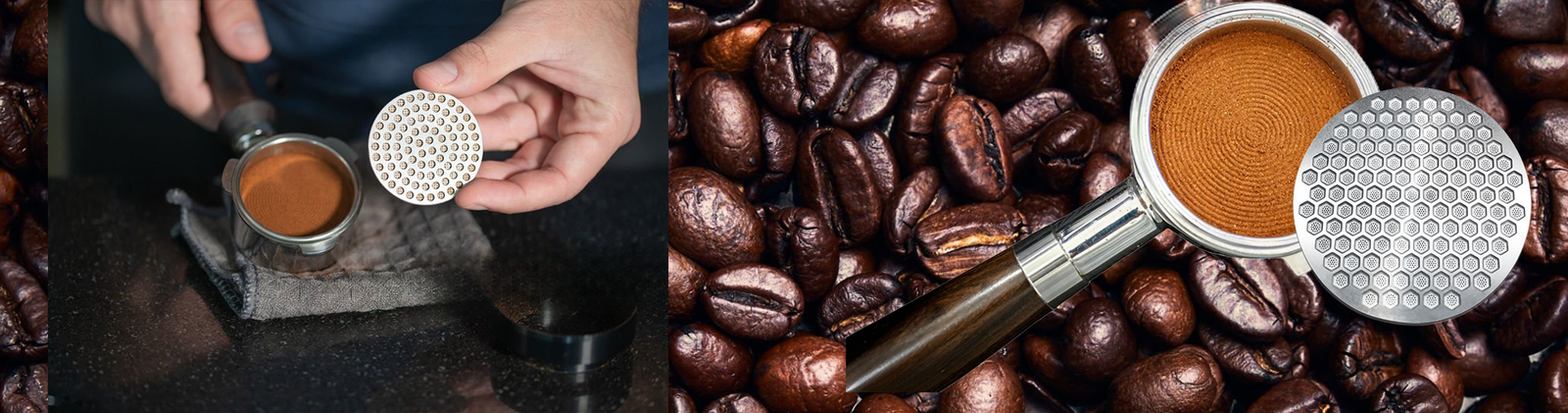
- Component Disassembly: Periodically disassemble key components, such as group heads, portafilters, and steam wands, for thorough cleaning. This allows you to access and clean areas that are not easily accessible during routine cleaning.
Choosing the Right Cleaning Products: Key Considerations
Selecting the appropriate cleaning products is crucial for maintaining the integrity and longevity of food-grade stainless steel. Consider the following factors when choosing cleaning products:
- Food-Grade Certification: Ensure that all cleaning products are specifically certified for use in food processing environments.
- pH Neutrality: Opt for pH-neutral detergents to minimize the risk of corrosion. Avoid highly acidic or alkaline cleaners unless specifically recommended for a particular cleaning task.
- Chlorine Content: Limit the use of chlorine-based cleaners, as they can corrode stainless steel, especially at high concentrations.
- Abrasiveness: Avoid abrasive cleaners, steel wool, and scouring pads, as these can scratch the surface and compromise its protective layer.
- Manufacturer Recommendations: Refer to the equipment manufacturer’s recommendations for specific cleaning products and procedures.
Preventative Maintenance: Proactive Measures for Long-Term Performance
In addition to regular cleaning, implementing a preventative maintenance program can significantly extend the lifespan of your Caffepress equipment and minimize the risk of downtime. Consider the following preventative measures:
- Regular Inspections: Conduct regular visual inspections of all equipment to identify any signs of wear, corrosion, or damage.
- Water Filtration: Use a water filtration system to remove impurities and minerals from the water supply, reducing scale buildup and improving the taste of coffee.
- Scheduled Maintenance: Follow a schedule for preventative maintenance tasks, such as lubrication, gasket replacement, and component inspection.
- Operator Training: Ensure that all operators are properly trained on the correct cleaning and maintenance procedures.
Summary: Maintaining Compliance and Ensuring Longevity
Proper cleaning and maintenance of food-grade stainless steel are essential for ensuring regulatory compliance, preventing bacterial growth, preserving product quality, and extending the lifespan of Caffepress equipment. By adhering to the guidelines outlined in this article, our overseas distributors and OEM partners can maintain the highest standards of hygiene and performance, safeguarding consumer health and ensuring the long-term success of their operations. Remember, consistent and appropriate cleaning is an investment in the durability, reliability, and overall value of your Caffepress equipment.