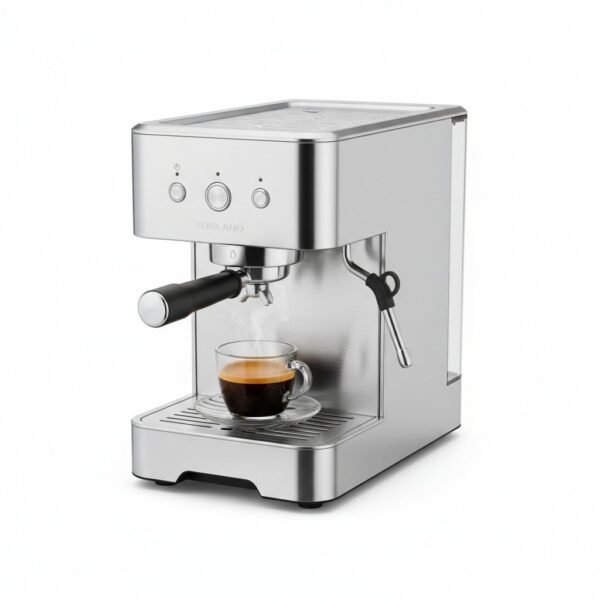

Automation and Robotics in the Coffee Industry: Impact on Component Demand
Automation and Robotics in the Coffee Industry: Impact on Component Demand
The global coffee industry is undergoing a significant transformation, driven by increasing demand, rising labor costs, and the need for consistent quality. Automation and robotics are at the forefront of this revolution, impacting every stage of the coffee production process, from bean cultivation to final packaging. This article explores the increasing adoption of these technologies and their implications for overseas distributors and Original Equipment Manufacturer (OEM) brands supplying components to the coffee processing equipment market.
The Rise of Automation Across the Coffee Value Chain
Automation is no longer a futuristic concept in the coffee industry; it’s a present-day reality reshaping how coffee is grown, processed, and packaged. This shift is creating new opportunities and challenges for component suppliers like yourselves. Let’s examine the key areas where automation is gaining traction:
Automated Harvesting and Precision Agriculture
Traditionally, coffee harvesting has been a labor-intensive process. However, advances in robotics and sensor technology are paving the way for automated harvesting systems. These systems utilize:
- Robotic Harvesters: Equipped with sophisticated vision systems and AI algorithms, these robots can identify ripe coffee cherries and selectively harvest them, reducing labor costs and minimizing damage to the plants.
- Drones and Sensors: Drones equipped with multispectral cameras and sensors provide valuable data on plant health, soil conditions, and pest infestations. This data enables precision agriculture techniques, optimizing resource allocation and improving yield.
- Automated Irrigation and Fertilization: Systems that automatically monitor soil moisture and nutrient levels and deliver water and fertilizer precisely where and when needed.
The integration of these technologies is fueling demand for specialized components, including high-resolution cameras, ruggedized sensors, precise actuators, and robust communication modules.
Automated Coffee Processing
Post-harvest processing, including cleaning, sorting, roasting, and grinding, is also experiencing significant automation. Key technologies in this area include:
- Automated Sorting Machines: These machines use optical sorters and other advanced technologies to remove defective beans and foreign materials, ensuring consistent quality and improving efficiency.
- Automated Roasting Systems: Computer-controlled roasting systems provide precise temperature and time control, ensuring consistent roast profiles and reducing energy consumption.
- Robotic Grinding and Blending: Robots are increasingly used for grinding and blending coffee beans, offering precise control over particle size and blend ratios.
The demand for high-precision motors, durable sensors, programmable logic controllers (PLCs), and human-machine interfaces (HMIs) is steadily increasing in this sector. Furthermore, the growing emphasis on data analytics requires robust data acquisition and processing systems, creating opportunities for suppliers of industrial IoT solutions.
Automated Packaging and Logistics
The final stage of the coffee production process, packaging and logistics, is also undergoing automation. This includes:
- Robotic Packaging Systems: Robots are used to fill, seal, and label coffee bags and containers, increasing throughput and reducing labor costs.
- Automated Palletizing and Warehousing: Automated guided vehicles (AGVs) and automated storage and retrieval systems (AS/RS) are used to palletize and store coffee products, optimizing warehouse space and improving logistics efficiency.
- Automated Quality Control: Systems that use machine vision to inspect packaging for defects and ensure proper labeling.
This sector requires high-speed motion control systems, reliable sensors, robust conveyors, and advanced software for warehouse management and logistics optimization. Demand for collaborative robots (cobots) is also growing, as they can work safely alongside human workers in packaging and logistics operations.
Impact on Component Demand: Opportunities and Challenges
The increasing adoption of automation and robotics in the coffee industry presents both significant opportunities and potential challenges for component suppliers:
Opportunities for Growth
- Increased Demand for High-Performance Components: Automation systems require high-precision, reliable components that can withstand harsh operating conditions. This translates into increased demand for sensors, actuators, motors, PLCs, HMIs, and other critical components.
- Demand for Customized Solutions: Coffee processing equipment manufacturers often require customized components to meet specific application requirements. This creates opportunities for suppliers who can offer tailored solutions and engineering support.
- Expanding Market for Industrial IoT Solutions: The growing emphasis on data analytics and remote monitoring is driving demand for industrial IoT solutions, including sensors, data acquisition systems, and cloud-based platforms.
- New Applications for Collaborative Robots (Cobots): Cobots are increasingly being used in coffee processing and packaging operations to automate repetitive tasks and improve worker safety. This creates opportunities for suppliers of cobot components and integration services.
- Aftermarket Services and Support: As automation systems become more prevalent, the demand for aftermarket services and support, including maintenance, repair, and spare parts, will increase.
Challenges to Overcome
- Increased Competition: The growing demand for automation components is attracting new players to the market, intensifying competition.
- Price Pressures: Coffee processors are constantly seeking ways to reduce costs, putting pressure on component suppliers to offer competitive pricing.
- Technological Advancements: The rapid pace of technological advancements requires component suppliers to stay ahead of the curve and offer innovative solutions.
- Integration Complexity: Integrating automation components into existing coffee processing equipment can be complex and require specialized expertise.
- Ensuring Reliability and Durability: Coffee processing environments can be harsh, with exposure to dust, moisture, and extreme temperatures. Components must be designed to withstand these conditions and ensure reliable operation.
Adapting to the Future of Coffee Processing
To succeed in the evolving coffee processing market, overseas distributors and OEM brands need to:
- Focus on High-Quality, Reliable Components: Invest in research and development to offer components that meet the stringent requirements of the coffee industry.
- Offer Customized Solutions: Provide engineering support and tailored solutions to meet the specific needs of coffee processing equipment manufacturers.
- Embrace Industrial IoT Technologies: Develop and offer industrial IoT solutions that enable data analytics, remote monitoring, and predictive maintenance.
- Build Strong Relationships with Coffee Processors: Understand the challenges and opportunities facing coffee processors and develop solutions that address their specific needs.
- Provide Excellent Aftermarket Services: Offer comprehensive aftermarket services and support to ensure the long-term reliability and performance of automation systems.
- Stay Abreast of Technological Advancements: Continuously monitor the latest technological trends and adapt your product offerings accordingly.
Summary
Automation and robotics are transforming the coffee industry, creating new opportunities for component suppliers. By focusing on high-quality, reliable components, offering customized solutions, embracing industrial IoT technologies, and building strong relationships with coffee processors, overseas distributors and OEM brands can capitalize on this growing market and secure their long-term success. The key is to adapt to the evolving needs of the industry and provide innovative solutions that help coffee processors improve efficiency, reduce costs, and enhance quality.